
Ingredients
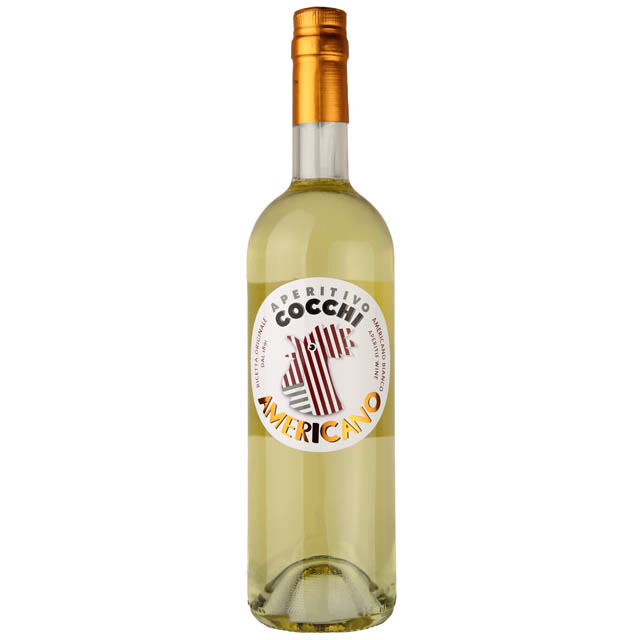
A Moscato d'Asti wine base fortified and aromatised with cinchona bark, gentian and citrus peels in the 'americano' style, where the defining bitter agent is quinine.
- ✦Cinchona bark (quinine)
- ✦Gentian root
- ✦Bitter orange peel
- ✦Wormwood
- ✦Elderflower
- ✦Citrus peels
History of the Brand
Giulio Cocchi founded his house in Asti in 1891, and the Americano is one of its original products — 'americano' here meaning bittered rather than American.
Bottles like it were the standard aperitif wine of pre-war Italy, and the category nearly disappeared under the postwar rise of sweeter vermouths.
Its modern fame comes from the cocktail revival: when Kina Lillet was reformulated, bartenders reached for Cocchi Americano to rebuild the Vesper and the Corpse Reviver No. 2.
The Moscato base gives it a grapey sweetness that the quinine keeps firmly in check.
Tasting Characteristics
Moscato grape, orange blossom, lemon peel.
Sweet at first, then a clean quinine and gentian bitterness with pronounced citrus.
Crisp and dry, faintly chalky.
Flavor meter
How to serve it
- 01Cold over ice with soda and a lemon wheel.
- 02In a White Negroni alongside Suze or in place of Lillet.
- 03Stirred into a Vesper or Corpse Reviver No. 2.
- 04Neat and chilled before dinner, wine-glass style.
Where to Get It
Widely available internationally; keep refrigerated once opened, like any aromatised wine.
Wine and spirits shops
Usually shelved with vermouths and aperitif wines.
Online retailers
Broadly stocked; the half bottle is useful for home bars.
In Piedmont
Available at the Cocchi bar and shop in Asti.
Where to buy Cocchi Americano
We may earn a commission when you buy through these links, at no extra cost to you. See our affiliate disclosure.
Cocchi Americano FAQ
Is Cocchi Americano the same as Lillet Blanc?
+
No, but it is the usual stand-in for the original Kina Lillet, since it retains the quinine bitterness modern Lillet Blanc lacks.
Does it need refrigeration?
+
Yes. It is a wine-based product and should be refrigerated after opening and used within a few weeks.
What does 'americano' mean here?
+
It refers to the bittering — 'amaricato' — not to America.