
Ingredients
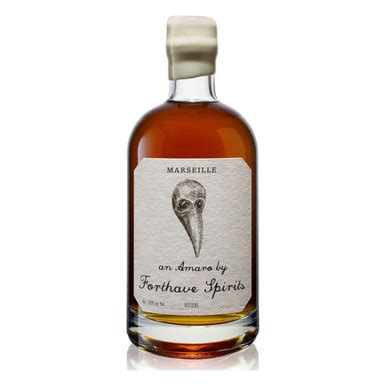
Named for the 'four thieves' vinegar of plague-era Marseille and built on saffron, sage and bitter root, with a strikingly floral top note.
- ✦Saffron
- ✦Sage
- ✦Rosemary
- ✦Gentian
- ✦Wormwood
- ✦Angelica
- ✦Bitter orange
- ✦Cinnamon
History of the Brand
Forthave Spirits takes its name from the London street where a seventeenth-century plague remedy was sold, and builds each bottling around a historical herbal formula.
Marseille is its amaro: the four-thieves legend of vinegar-soaked herbs, rewritten as a bittersweet digestivo.
The saffron dose is unusually generous, giving the liqueur its orange cast and hay-like aroma.
Tasting Characteristics
Saffron, dried sage and honeyed citrus
Savory herbs and floral saffron over firm gentian
Dry, herbal, faintly medicinal
Flavor meter
How to serve it
- 01Neat after a rich meal
- 02In a Paper Plane variation
- 03Stirred with rye and sweet vermouth
Where to Get It
Specialty US craft retailers
Craft bottle shops
Sold where small-batch American liqueurs are stocked
Direct
Available from the distillery in New York
Where to buy Forthave Spirits Marseille Amaro
We may earn a commission when you buy through these links, at no extra cost to you. See our affiliate disclosure.
Forthave Spirits Marseille Amaro FAQ
Why is it called Marseille?
+
It references the four-thieves herbal vinegar said to have protected grave robbers during the Marseille plague.
What makes Forthave Marseille distinctive?
+
A heavy saffron dose that gives it a floral, hay-like aroma and an orange hue unusual among amari.