
Ingredients
A cold infusion of Apennine roots and barks in the Varnelli herbalist tradition, sweetened lightly and pitched squarely at the bitter end — gentian and bitter orange lead, with quinine-style barks behind them.
- ✦Gentian root
- ✦Bitter orange peel
- ✦Cinchona bark
- ✦Rhubarb root
- ✦Wormwood
- ✦Apennine mountain herbs
History of the Brand
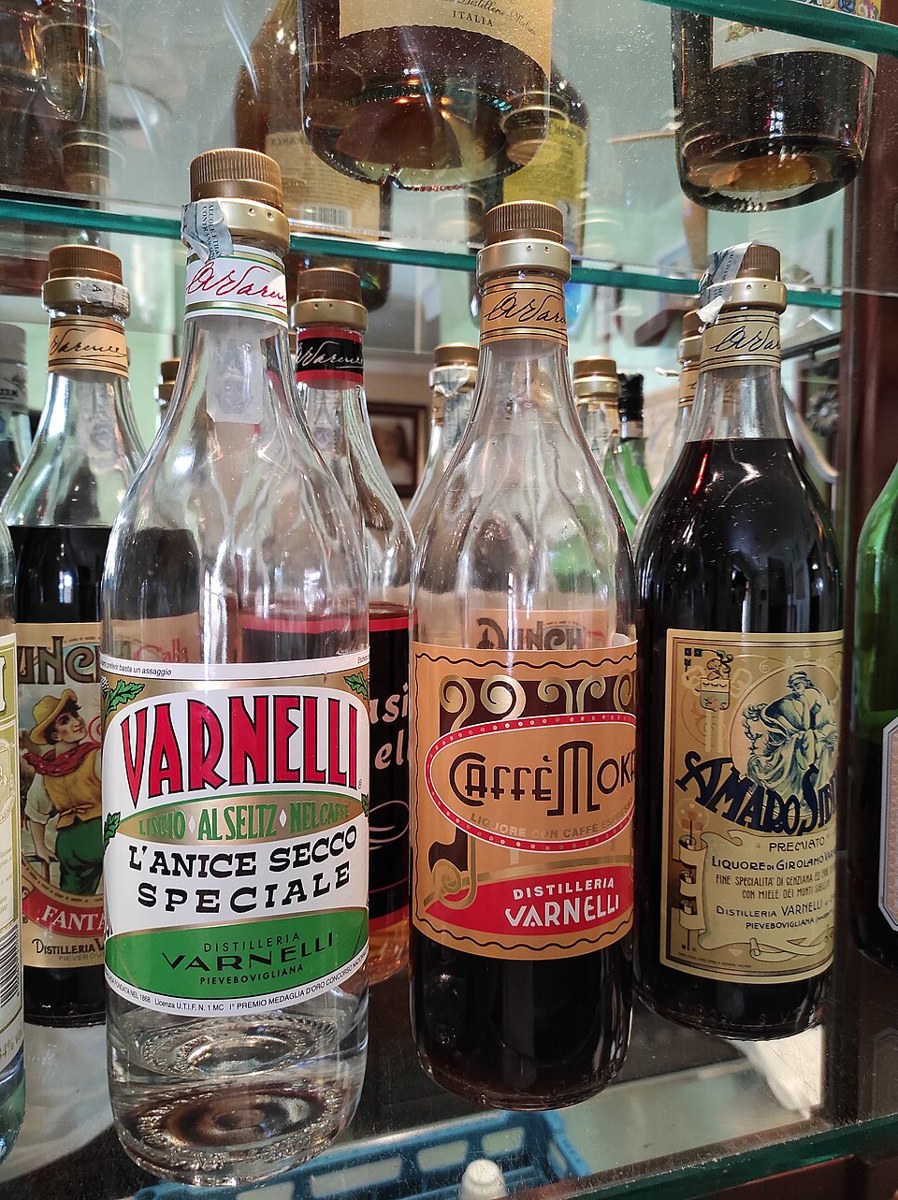
Girolamo Varnelli began gathering herbs on the slopes of Monte San Vicino in 1868, selling infusions as fortifying remedies to Marche farmers.
The house stayed in family hands and is now run by the fourth generation, still in Muccia.
Amaro Tonico sits alongside Sibilla and dell'Erborista in the range — the driest and most overtly medicinal of the three.
Varnelli's habit of cold infusion rather than heat extraction keeps the bitterness bright rather than stewed.
Tasting Characteristics
Gentian, orange zest, damp earth.
Firmly bitter with rhubarb tartness and a quinine grip; sweetness is minimal.
Clean, dry, lingering root bitterness.
Flavor meter
How to serve it
- 01Neat in a small glass after dinner, as they drink it in the Marche.
- 02On the rocks with an orange twist for a dry aperitivo.
- 03Topped with tonic water and lots of ice.
- 04In place of Campari for a much drier Negroni.
Where to Get It
Common across central Italy; specialist import elsewhere.
Italian enoteche
Reliably stocked throughout the Marche and Umbria.
Specialist importers
Varnelli's range travels together — look where Sibilla is sold.
Online retailers
Occasional stock; the Sibilla bottling is easier to find.
Where to buy Varnelli Amaro Tonico
We may earn a commission when you buy through these links, at no extra cost to you. See our affiliate disclosure.
Varnelli Amaro Tonico FAQ
How does it compare with Amaro Sibilla?
+
Sibilla is honeyed and rounder; Amaro Tonico is drier, rootier and more overtly bitter.
Is Varnelli still family-owned?
+
Yes — the distillery in Muccia has been run by the Varnelli family since 1868 and is now in its fourth generation.