
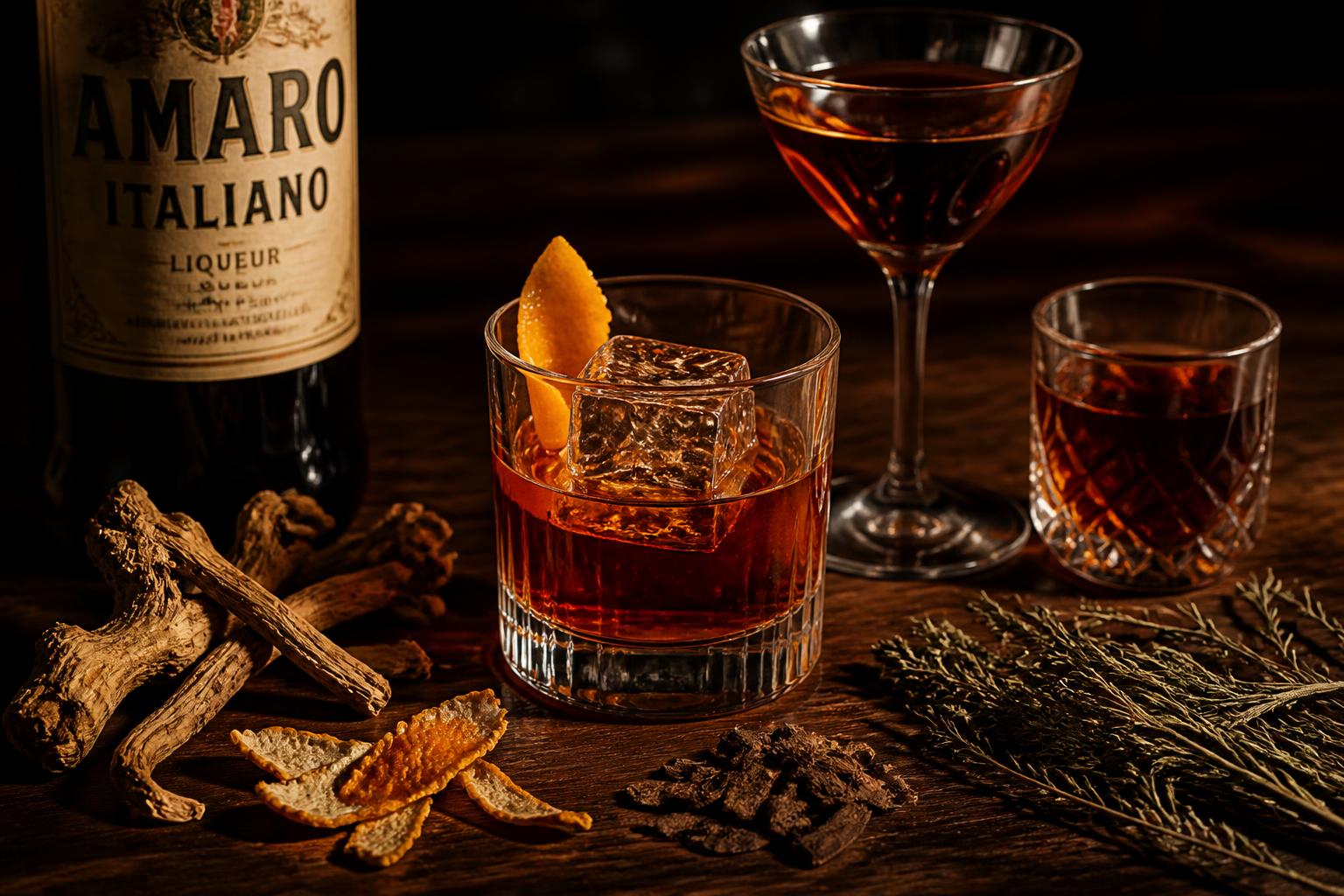
Amaro is the Italian word for "bitter," and it names a whole family of bittersweet herbal liqueurs — dozens of them, most made by a single family in a single town, many unchanged since the 1800s. A bitter spirit base is infused with roots, barks, citrus peel, flowers and herbs, sweetened with sugar, rested, and poured after dinner. That's the whole idea. Everything else is regional accent.
How amaro is made
Every amaro follows the same four steps, and the differences between bottles come down to how each producer bends them:
- Maceration. Botanicals steep in alcohol — neutral grain spirit for most, grappa for Nonino, wine for the chinati. Anywhere from days to a year.
- Infusion and distillation. Some houses distill part of the botanical charge separately to capture volatile aromatics, then blend it back in.
- Sweetening. Sugar syrup, sometimes caramel, is added. This is the dial that decides whether a bottle reads gentle or brutal.
- Resting. Weeks to years, in steel, glass demijohns, or oak. Braulio spends two years in Slavonian oak; Averna rests before bottling to round its edges.
What amaro tastes like
Bitter first, sweet underneath, herbal all the way through. The bitterness comes from a short list of usual suspects — gentian root, cinchona bark (the quinine plant), wormwood, bitter orange, rhubarb root, artichoke leaf. The sweetness and the aromatics do the rest: vanilla, mint, saffron, licorice, cola nut, myrrh, cardamom, alpine pine.
The first sip of a serious amaro is genuinely startling if you've never had one. Give it three. Bitterness is the only major flavor humans have to learn on purpose, and it repays the effort more than any other.
The main styles of amaro
| Style | Character | Try |
|---|---|---|
| Light | Low proof, citrus and vanilla, easy | Montenegro, Nonino |
| Medium | Caramel, cola, licorice, richer body | Averna, Ramazzotti, Lucano |
| Fernet | Bone dry, menthol, medicinal, high proof | Fernet-Branca, Fernet Vittone |
| Carciofo | Artichoke, savory, vegetal | Cynar |
| Alpine | Pine, juniper, mountain flowers | Braulio, Genepy |
| Rabarbaro | Chinese rhubarb root, smoke, earth | Zucca, Sfumato |
Each of these gets a full treatment in our guide to the types of amaro, and every bottle mentioned above has its own page in the amaro encyclopedia.
How to drink amaro
Neat, room temperature or lightly chilled, in a small tumbler, after dinner. That is the Italian default and it is the right one. From there:
- On ice with an orange twist — perfect for lighter amari on a warm evening.
- With soda — a two-ingredient amaro highball is the most underrated drink in this book.
- With espresso — the caffè corretto, taken standing at the bar.
- In a cocktail — start with the Paper Plane or the Black Manhattan.
Glass matters more than people expect — the shape steers the aromatics before you ever taste anything. We covered it in the amaro glassware guide.
Six bottles to start with
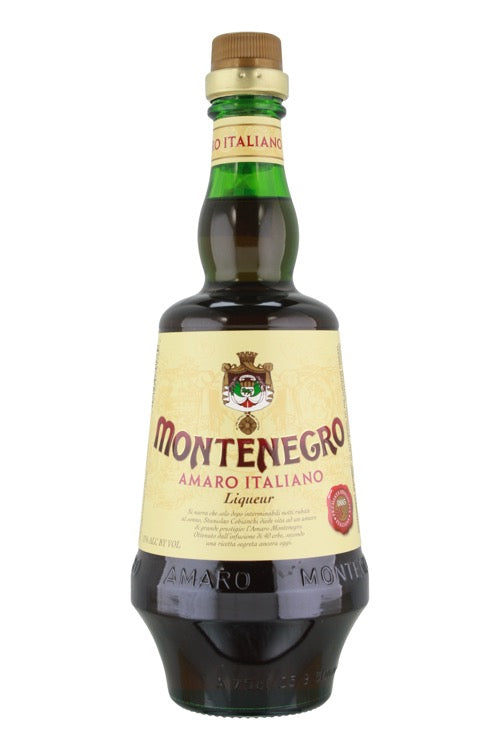
Light · 23% ABV
Amaro Montenegro
Orange peel, vanilla and rose. The friendliest possible first bottle — nothing about it fights you.
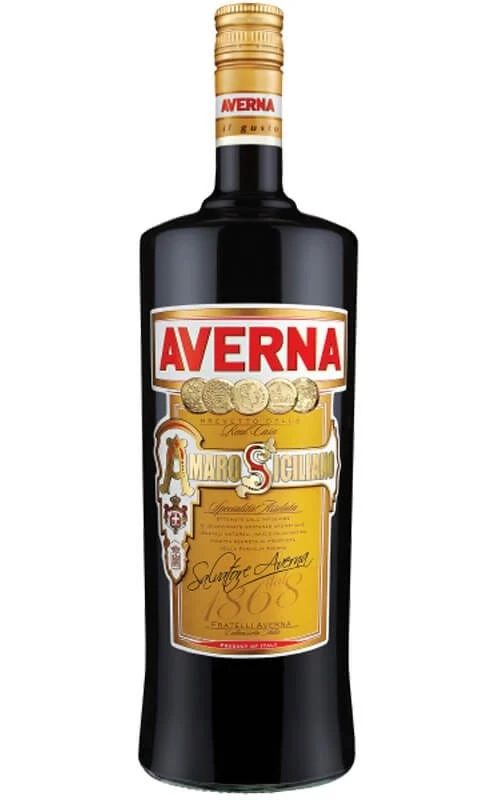
Medium · 29% ABV
Averna
Sicilian, syrupy, cola-and-caramel sweet with a licorice finish. Superb over ice with an orange slice.
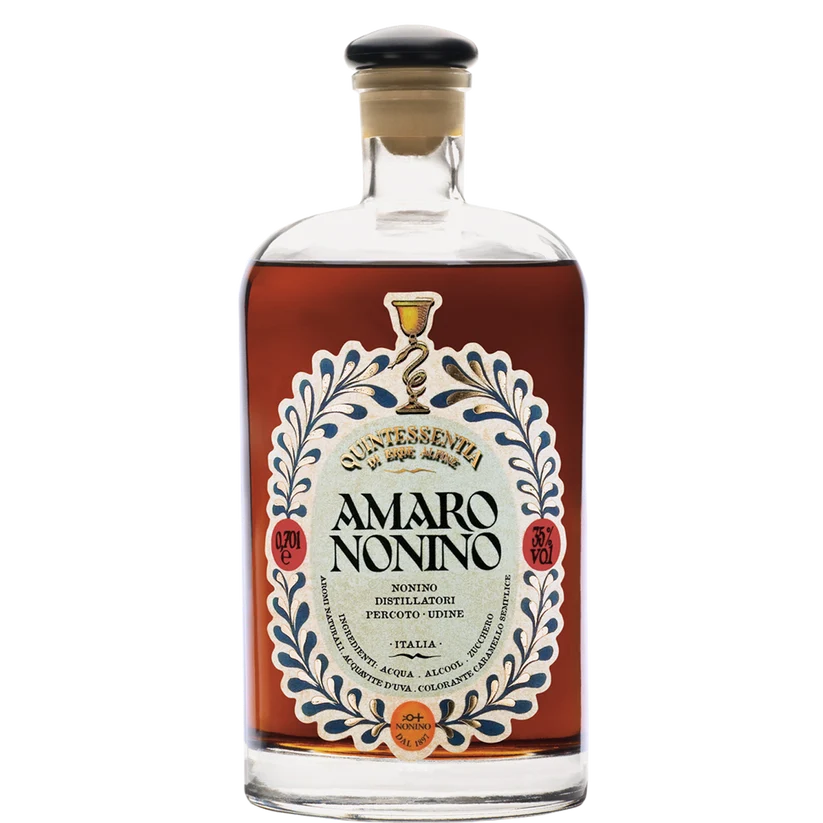
Light · 35% ABV
Amaro Nonino Quintessentia
Grappa-based, silky, apricot and saffron. The bottle that made the Paper Plane famous.
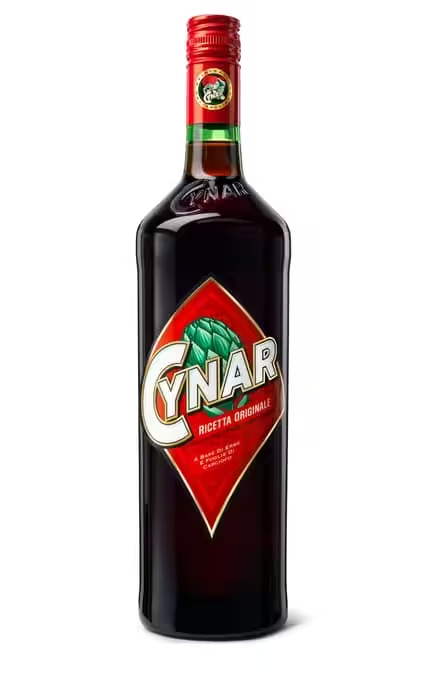
Medium · 16.5% ABV
Cynar
Artichoke-forward, savory, vegetal. Low proof and shockingly versatile in cocktails.
Alpine · 21% ABV
Braulio
Pine, juniper and mountain herbs from Bormio. Tastes like cold air and a fireplace.
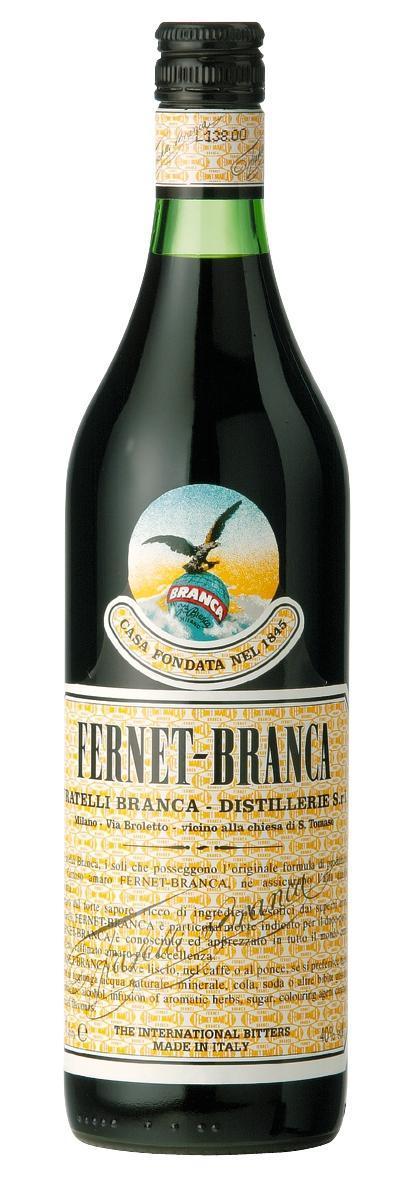
Fernet · 39% ABV
Fernet-Branca
The deep end. Menthol, myrrh, saffron and bitterness that arrives like a slammed door.
Amaro vs aperitivo vs digestivo
Short version: an aperitivo is lighter and comes before the meal to open the appetite. A digestivo is heavier and comes after it. Amaro is the most famous branch of the digestivo family — though a few bitter aperitivi (Campari, Aperol, Select) sit close enough that everybody argues about them. The long version lives in amaro vs digestivo vs aperitivo.
If you want the history — monastery herbals, 19th-century pharmacies, the Branca brothers — that's the history of amaro. And if a recipe calls for a bottle you don't own, we built a substitution guide.
Frequently asked questions
- What is amaro?
- Amaro (plural: amari) is the Italian word for 'bitter.' It describes a family of bittersweet herbal liqueurs made by macerating roots, barks, citrus peel, flowers and herbs in alcohol, then sweetening the infusion with sugar syrup. Most sit between 16% and 40% ABV and are drunk after a meal as a digestivo.
- What does amaro taste like?
- Bitter first, sweet underneath. Depending on the bottle you'll find bitter orange, gentian root, cinchona bark, wormwood, mint, rhubarb, saffron, cola nut and caramel. A gentle amaro like Montenegro tastes of orange peel and vanilla; a fernet like Fernet-Branca is aggressively minty and medicinal.
- Is amaro a liqueur or a liquor?
- A liqueur. Amaro is made by infusing a neutral or grape-based spirit with botanicals and then adding sugar, which puts it in the liqueur category rather than the distilled-spirit category alongside gin or whiskey.
- How do you drink amaro?
- Neat at room temperature or lightly chilled, in a small tumbler, after dinner. Ice and an orange twist suit lighter amari; a splash of soda turns most of them into a long drink. Bitter aperitivi like Campari and Aperol go into spritzes before the meal instead.
- Is Campari an amaro?
- Not strictly. Campari is a bitter aperitivo — lighter, brighter and drunk before dinner — while amaro proper is a digestivo. They belong to the same broader world of bitter Italian liqueurs, and most drinkers treat Campari as amaro-adjacent.
- Is amaro good for digestion?
- That is the traditional claim, and it is why amaro was sold in pharmacies for a century. Bitter botanicals like gentian and artichoke do stimulate saliva and gastric secretion. Treat it as a pleasant custom rather than medicine.
Ready for the deep end?
Over 100 bottles, region by region, with tasting notes and how to serve each one.
Browse the Encyclopedia