Practical alternatives for Nonino, Averna, Cynar, Fernet-Branca and Braulio—and how to keep a cocktail balanced when you swap bottles.
October 31, 2026 · 7 min read · Robert Cross
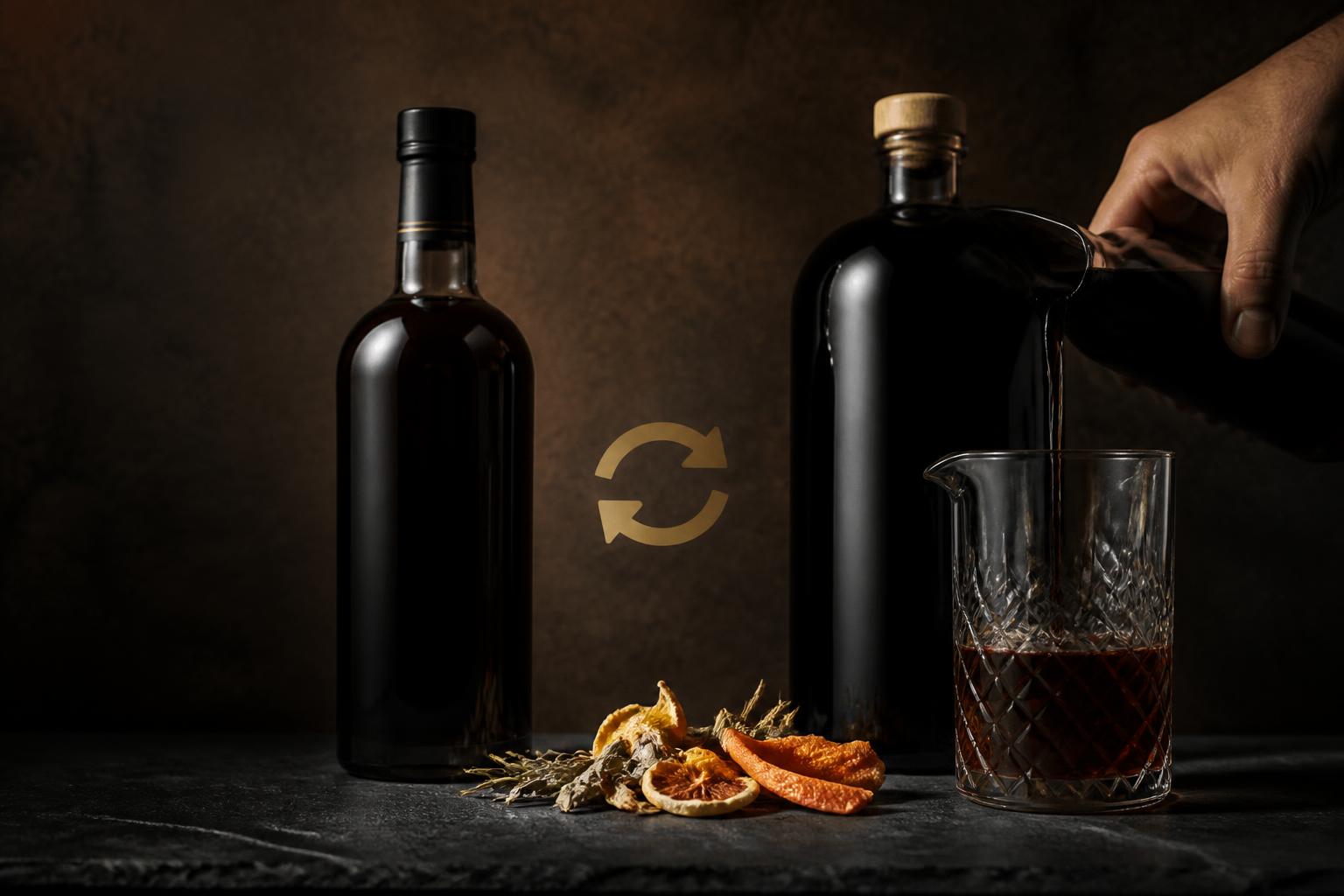
The best amaro substitute is usually a bottle with similar bitterness, sweetness and dominant flavors—not simply a similar alcohol content. Montenegro is a useful alternative to Nonino in a Paper Plane; Lucano is a practical alternative to Averna in a Black Manhattan. Neither makes an identical drink.
You have the whiskey, the citrus and the glass ready. Then you discover that the amaro is empty—or never made it home from the shop. A missing bottle need not end the evening, but a swap works best when you know what that bottle contributes.
Think in flavor families, using our guide to 23 types of Italian amaro as a starting point. Those families are useful tasting shorthand, not rigid definitions: Averna, Montenegro and Nonino all work in cocktails, but their weight and bitterness are quite different.
These are practical alternatives, not a ranking of exact matches. Availability varies by market.
| Missing bottle | First alternative | Backup | Useful starting point | What changes |
|---|---|---|---|---|
| Amaro Nonino | Amaro Montenegro | Amaro Ciociaro | Paper Plane and shaken citrus drinks | Montenegro brings softer, floral citrus; Ciociaro takes the drink toward orange and caramel |
| Amaro Averna | Amaro Lucano | Amaro Ramazzotti | Black Manhattan and stirred whiskey drinks | Lucano emphasizes herbs and spice; Ramazzotti shifts the balance toward its own citrus-and-spice profile |
| Cynar | Cynar 70 | Another artichoke-style bitter, if available | Cynar spritzes and whiskey variations | Cynar 70 retains the family resemblance but raises the alcohol markedly; another carciofo bitter will have its own sweetness and body |
| Fernet-Branca | Another fernet, such as Fernet Luxardo | Brancamenta, if a mint-forward variation suits the drink | Small cocktail doses and fernet highballs | Another fernet changes the botanical balance; Brancamenta makes mint much more prominent |
| Braulio | An alpine amaro, such as Bordiga Amaro | Another alpine bottle with similar tasting notes | Stirred drinks and highballs | Mountain-herb character may carry over, but pine, bitterness, sweetness and strength vary |
| Amaro Montenegro | Amaro Nonino | Amaro Averna | Citrus cocktails and spritzes | Nonino adds strength and a different citrus profile; Averna makes the drink darker and fuller |
The original Paper Plane combines equal parts bourbon, Aperol, Amaro Nonino and lemon juice. Nonino is part of that balance, not an interchangeable background ingredient.
Montenegro is a sensible first alternative. It brings floral citrus and relatively gentle bitterness, although its 23% ABV is considerably lower than Nonino’s 35%. Start with the recipe’s original measure and keep the other ingredients unchanged for the first attempt. Then taste before adjusting anything.
If the result is too sweet, a small increase in lemon may help. If it is too tart, a small amount of syrup may help. Neither adjustment is automatically necessary, and changing several ingredients at once makes it harder to identify the problem.
Ciociaro is another option if you enjoy an orange-and-caramel direction. Averna can also make an enjoyable variation, but its darker, fuller profile takes the cocktail further from the original.
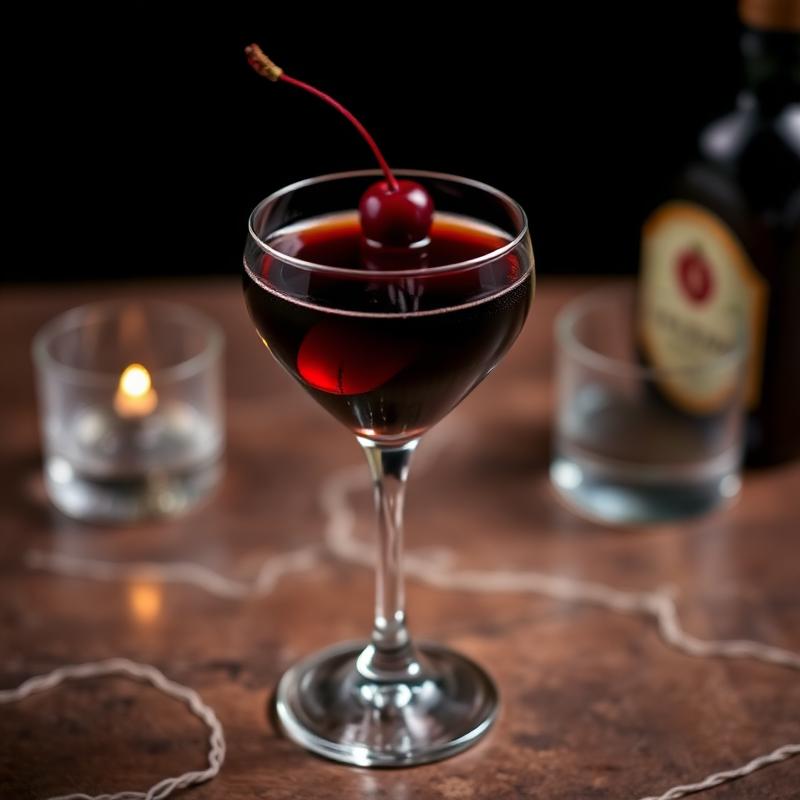
In a Black Manhattan, the amaro replaces sweet vermouth. Its sweetness, bitterness and texture remain exposed beside the whiskey.
Try Lucano first. Expect a different emphasis on herbs and spice rather than a reproduction of Averna’s cola-and-caramel depth. Ramazzotti is another practical alternative if that is what you have.
Use the original amaro measure as your starting point and keep the whiskey and bitters unchanged initially. Montenegro can work too, but its floral citrus and lighter body produce a more noticeable departure.
Stir to the drink’s usual temperature and dilution. Extra stirring does not restore missing botanical intensity; it adds water, which can make an already lighter substitution taste thinner.
Braulio combines mountain-herb aromas, rooty bitterness and a recognizable pine-like character. Look for an alpine amaro with comparable tasting notes rather than assuming that any bottle labeled “herbal” will fit.
Bordiga Amaro is one possible alternative, but alpine bottles are not uniformly milder or sweeter than Braulio. Compare the label strength and taste the substitute before committing it to a spirit-forward drink.
Meletti is not a close alpine replacement: its saffron, anise and floral notes lead elsewhere. A fernet may supply intensity, but its medicinal profile can substantially change the cocktail. Those are deliberate variations, not like-for-like substitutes.
Standard Cynar is 16.5% ABV; Cynar 70 is 35% ABV. That difference matters even though the bottles share an artichoke-style botanical identity.
Cynar 70 is a logical alternative when you want to preserve the flavor family, but do not assume that higher proof means lower sugar or that a fixed 20–25% reduction will balance every recipe. Reducing the measure changes flavor and sweetness as well as alcohol.
For a spritz or highball, build a small trial and adjust the Cynar 70 measure and mixer to taste. In a stirred drink, treat the substitution as a new balance rather than a guaranteed one-for-one swap.
If neither version is available, another artichoke-style bitter is worth trying. Del Capo can make a pleasant drink, but its sweet citrus-and-herbal profile does not recreate Cynar. Saline or orange bitters may alter a cocktail’s balance; they do not reconstruct Cynar’s botanical blend.
For the closest stylistic starting point, choose another fernet, such as Fernet Luxardo. Each producer has a different botanical balance, so expect differences in mint, spice, rooty bitterness and finish.
Brancamenta works when you want mint to lead. It is a related product, not simply Fernet-Branca with an interchangeable flavor. That distinction is especially apparent in a fernet-and-cola highball, where the liqueur is central to the drink.
Fernet Luxardo and Luxardo Bitter are different products. The latter is an aperitivo bitter, not a fernet substitute by style. Aperitivo bitters may make interesting variations in a cocktail that uses only a small dose of fernet, but they do not reproduce its intensity or aromatic profile.
Start with three questions:
1. Is it too sweet or too tart? Adjust the drink’s sweetener or citrus in small steps, if those ingredients are present. 2. Is the bitterness too forceful—or missing? Reconsider the amaro measure or the substitute itself. More bitters are not always the answer: they add their own flavors. 3. Is the alcohol balance substantially different? Compare label strength, but remember that ABV does not tell you how much sugar the bottle contains.
Citrus drinks often accommodate a different amaro well, but acidity does not erase differences. Stirred drinks make changes in body and aroma easier to notice. Highballs and spritzes give you a convenient way to adjust the mixer, yet the amaro can still be the drink’s defining flavor.
Taste the substitute on its own first. Then make one small trial, change one thing at a time and keep track of what worked. You are building a good variation—not proving that two bottles are identical.
Product facts were checked against the following sources. They verify strengths and product identities, not the suggested substitutions as tested cocktail recipes.
- Campari Group: Cynar — standard Cynar at 16.5% ABV. - Virginia ABC: Cynar 70 — 35% ABV; bittersweet botanical profile. - Luxardo: Fernet and Luxardo: Bitter — distinct products, not interchangeable names. - Branca: Brancamenta — peppermint essential oil and mint-forward identity. - Braulio: product information — balsamic, rooty and alpine-herbal profile. - Nonino: Quintessentia — 35% ABV. - Amaro Montenegro — producer information and cocktail uses.
Montenegro is a versatile choice for floral-citrus cocktails and approachable highballs. It is not a universal replacement for Cynar, Braulio or Fernet-Branca, and its gentle bitterness does not place it at the midpoint of every amaro style. Choose for the recipes you actually make.
Sometimes, if you are comfortable making a different drink. Both are aperitivo bitters, but they are not interchangeable with each other: Aperol is generally gentler, while Campari can bring pronounced bitterness. Either can work in suitable spritzes or cocktail variations; neither automatically matches a darker digestivo’s body or botanical profile.
No. Similar strength can make a swap easier, but matching flavor, sweetness and body matters too. Lower ABV does not automatically mean sweeter, and higher ABV does not automatically mean drier. Cynar and Cynar 70 illustrate why a substantial strength change deserves a trial rather than a universal adjustment rule.
Yes—as a variation. Start with the equal-parts recipe and taste it before changing the lemon or adding sweetener. Montenegro contributes floral citrus and less alcohol than Nonino, so the result will not taste exactly like the original.
Enjoyed this? Send it around.
Post to X