
Ingredients
Roots, barks and herbs infused separately and blended, in the pharmacy tradition Quaglia has kept for four generations alongside its liqueurs and vermouths.
History of the Brand
Antica Distilleria Quaglia was founded in 1890 in the hills north of Asti and is still run by the Quaglia family.
The house made its name on grappa, ratafià and fruit liqueurs, then found a second life in the cocktail revival with its bitters, vermouths and China.
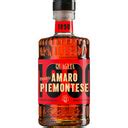
Its amaro follows the Piedmontese template rather than the Milanese one: less caramel, more root, and a texture that stays thin and dry on purpose.
Bartenders reach for it when a drink needs bitterness without the syrupy weight of a commercial amaro.
Tasting Characteristics
Rhubarb root, orange peel and dried bark.
Bitter cinchona and gentian, moderate sweetness, a cardamom and liquorice thread through the middle.
Dry and bitter with a cooling mint tail.
Flavor meter
How to serve it
- 01Neat, slightly chilled, after dinner.
- 02In a Boulevardier variation in place of sweet vermouth.
- 03With soda and a thick lemon peel.
- 04Stirred with rye and a dash of orange bitters.
Where to Get It
Reasonably available in Italy and through European specialists; sporadic in the US.
Italian online retailers
Usually list several Quaglia bottlings together.
Cocktail bottle shops
Stock Quaglia for the bitters and vermouths; the amaro often follows.
In Piedmont
Widely available across Asti and Turin.
Where to buy Amaro Quaglia
We may earn a commission when you buy through these links, at no extra cost to you. See our affiliate disclosure.
Amaro Quaglia FAQ
Who makes Amaro Quaglia?
+
Antica Distilleria Quaglia, a family distillery founded in 1890 in Castelnuovo Don Bosco near Asti.
What does Amaro Quaglia taste like?
+
Dry and root-led — gentian, rhubarb and cinchona with citrus peel and a cooling mint finish.
Is it good in cocktails?
+
Yes. Its low sweetness makes it useful wherever a sweeter amaro would make a stirred drink cloying.