
Ingredients
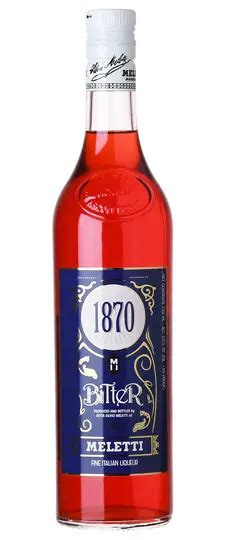
A reworking of the Meletti botanical set — saffron, violet, gentian and anise — at higher strength with markedly less sugar than the classic bottling.
History of the Brand
Silvio Meletti founded his distillery in Ascoli Piceno in 1870, and his anisette and amaro became emblems of the Marche.
The classic Meletti Amaro is one of the softest and most confectionery of the Italian classics — saffron, caramel and violet at 32% ABV in an unmistakable painted bottle.
The 1870 expression answers a bartender's complaint rather than a drinker's: the same aromatics, less sugar, more structure.
It sits between Meletti's dessert-like original and the drier alpine amari, and has quickly become the version poured in cocktail bars.
Tasting Characteristics
Violet, saffron, orange blossom and anise.
Aromatic and perfumed but far less sweet than classic Meletti, with clear gentian bitterness underneath.
Dry, floral and gently bitter.
Flavor meter
How to serve it
- 01Neat, lightly chilled.
- 02In an Amaro Flip, where the saffron shines against egg and rum.
- 03Stirred with bourbon and orange bitters.
- 04Over ice with soda and a lemon peel.
Where to Get It
Available in Italy and through amaro-focused importers; harder to find than the classic bottle.
Specialist bottle shops
Stocked where the full Meletti range is carried.
Online Italian retailers
Ship across the EU.
In the Marche
Sold at the distillery and in Ascoli Piceno's historic cafés.
Where to buy Amaro Meletti 1870
We may earn a commission when you buy through these links, at no extra cost to you. See our affiliate disclosure.
Amaro Meletti 1870 FAQ
How does Meletti 1870 differ from classic Meletti?
+
It keeps the saffron and violet aromatics but carries much less sugar and more bitterness, making it better suited to cocktails.
Where is it made?
+
At Distilleria Silvio Meletti in Ascoli Piceno, in the Marche region, founded in 1870.
What does saffron do in an amaro?
+
It adds a honeyed, faintly metallic floral note and a golden colour that is Meletti's signature.