Amaro 101 · Lesson 07 · 7 min readYour First Five Bottles
One bottle from each flavor family — the shortest route from "I hear amaro is good" to knowing which kind you actually like.
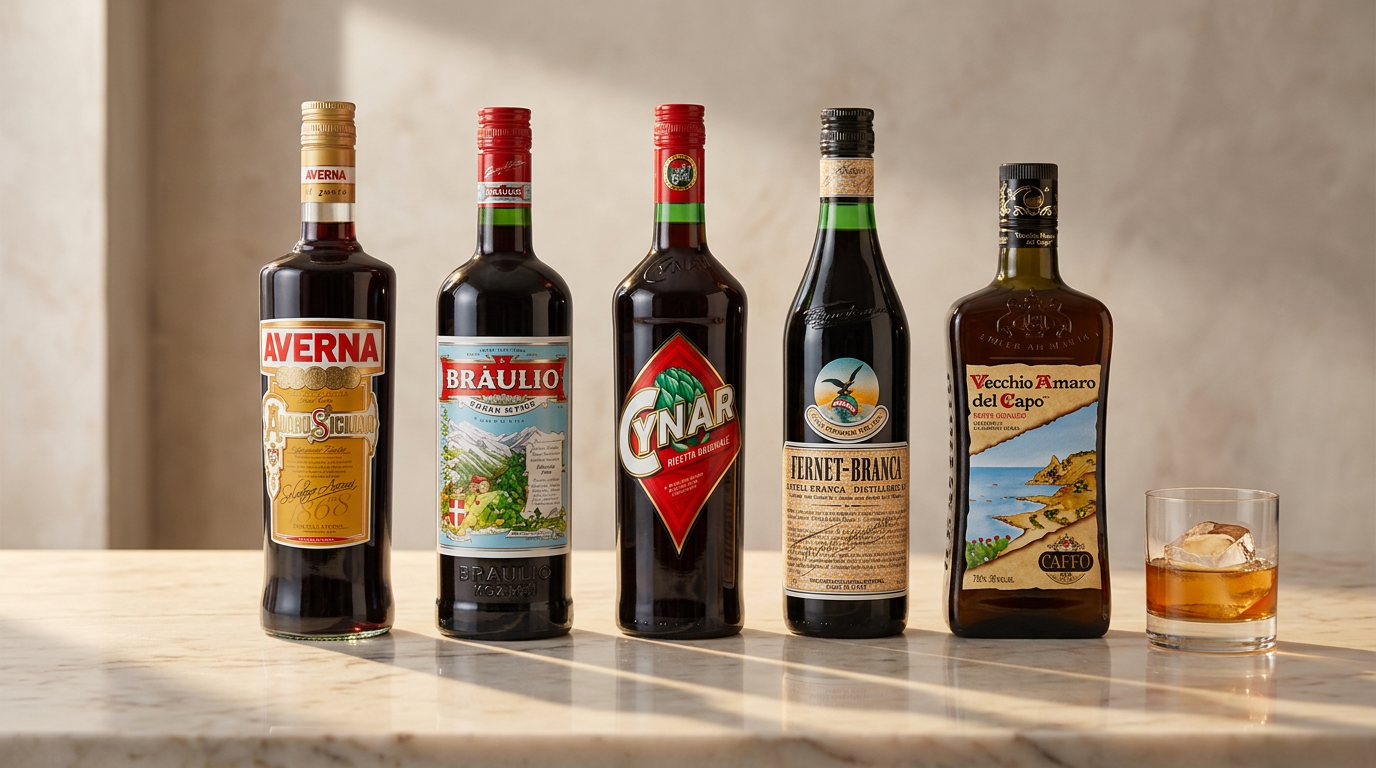
People usually build an amaro shelf the slow way: buy the bottle a bartender poured them, like it, buy something similar, and end up three years later with five variations on the same bittersweet theme. The faster route is to buy one bottle from each family, taste them against each other, and let the differences teach you what you're after.
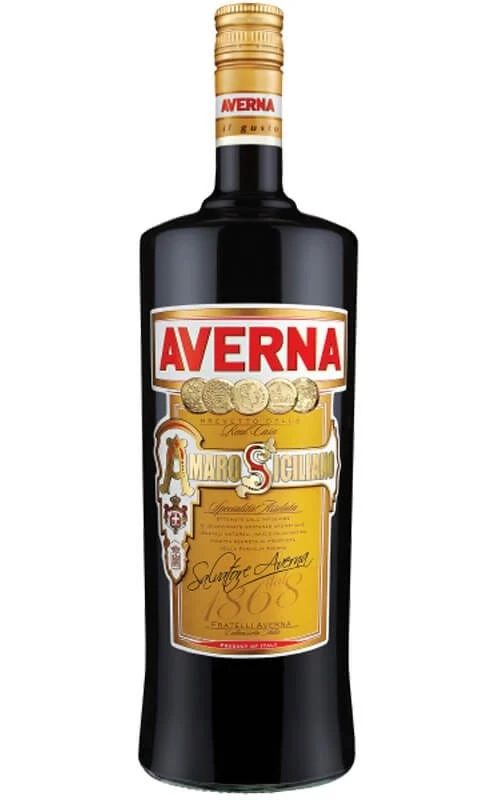
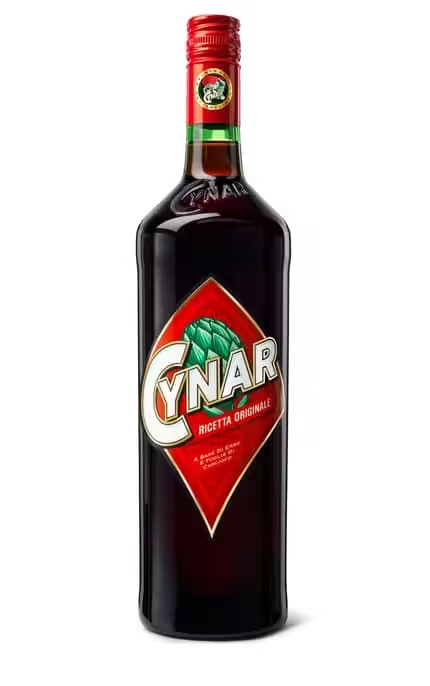
These are the five, in the order worth buying them. Each is the clearest example of its style rather than the most obscure or the most expensive, and each is widely enough distributed that you can actually find it. Together they run about $170 — but there is no reason to buy them in one trip. The full flavor-family guide covers 23 bottles when you're ready to go deeper.
How to taste them against each other
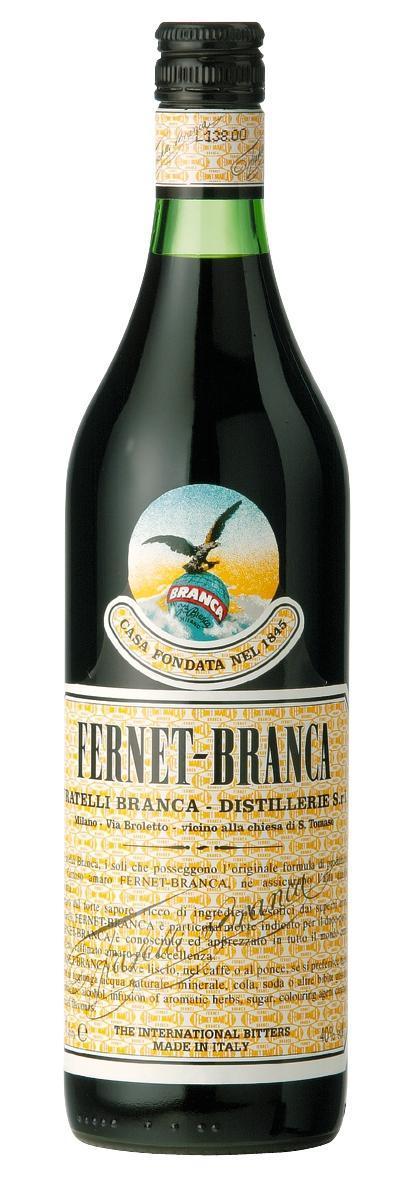
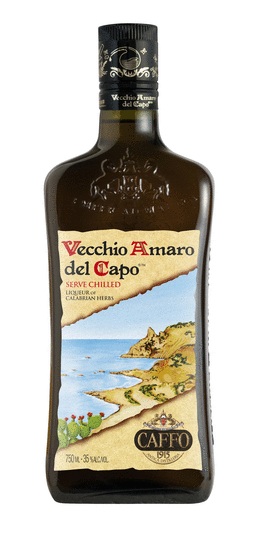
Pour half an ounce of each into small glasses, at room temperature, and go in the order above. The point is not to rank them — it is to notice what changes. Averna to Braulio is caramel giving way to root. Braulio to Cynar is mountain bitterness giving way to vegetal bitterness. Cynar to Fernet-Branca is the volume knob. Fernet to Del Capo is the whole thing resolving back into citrus and sugar.
Whichever one you keep reaching for tells you which family to buy from next. If it's Braulio, the alpine shelf is deep and mostly excellent. If it's Cynar, go to Sfumato. If it's Fernet-Branca, you are the kind of person other people buy fernet for.
Nothing here is a fixed rule — amaro has no legal style definitions, and every producer draws its own lines. See how amaro is made for why two bottles in the same family can taste so different.