An open bottle of amaro will not spoil, but it will quietly change. Here is what actually happens after you break the seal, how long you really have, and the three storage mistakes that dull a good bottle.
September 21, 2026 · 7 min read · Robert Parker Cross
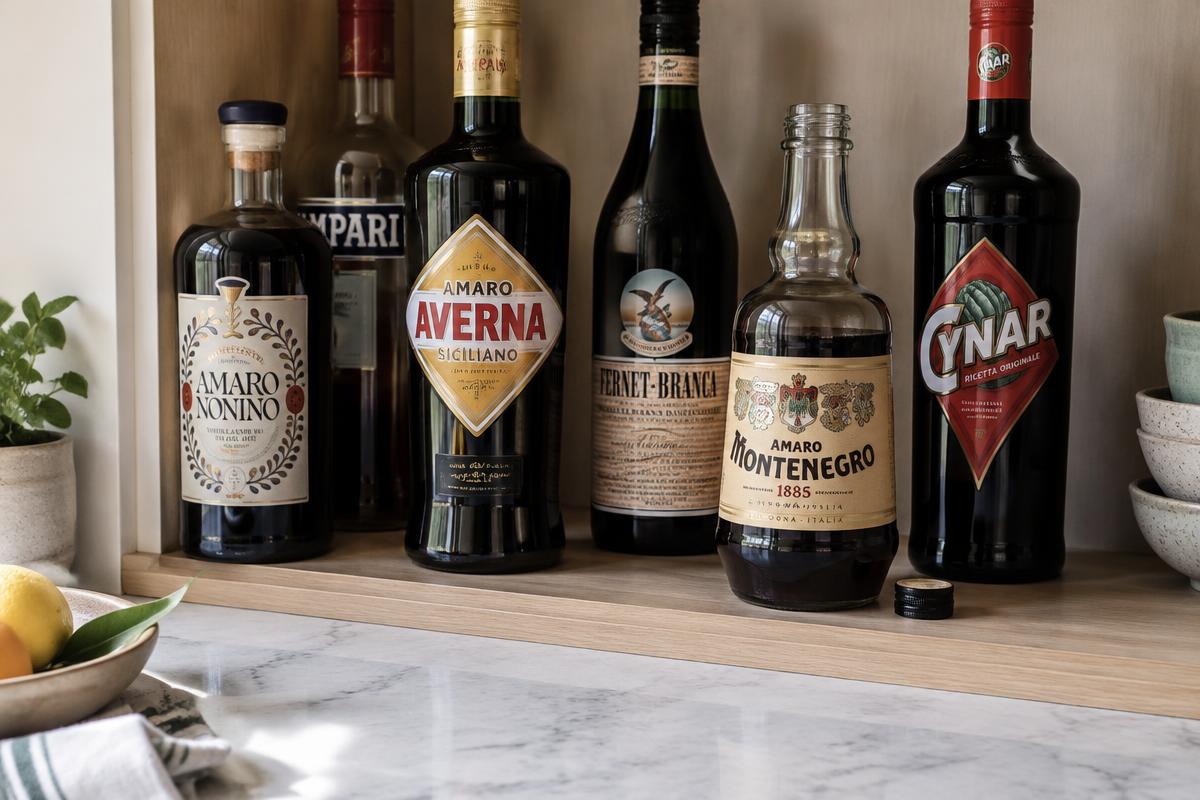
Somebody opens a bottle of Averna at a dinner party, pours two glasses, and then it sits on the shelf for three years. Eventually the question arrives: is this still good?
The short answer is yes. Amaro is a sugared, high-proof herbal liqueur, and both alcohol and sugar are preservatives. It will not turn dangerous, grow anything, or make you sick. What it will do is slowly lose the top notes that made it worth buying — and that is the part nobody warns you about.
Here is what actually changes inside an open bottle, how long the flavor really holds, and the handful of habits that keep a bottle tasting the way it did on day one.
A sealed bottle of amaro has no meaningful expiry. Most sit between 16% and 40% alcohol with a substantial dose of sugar, which leaves no room for spoilage organisms. Stored somewhere dark and reasonably cool, an unopened bottle will taste the same in ten years as it does today.
It will not improve, either. Unlike wine, liqueur does not age in glass in any useful way — there is no oxygen exchange and no ongoing chemistry worth waiting for. Whatever barrel time the producer gave it, that maturation stopped at bottling. Buy it to drink it, not to cellar it.
The one exception is the label and the liquid's color. Sunlight will fade both. A bottle that has spent five summers on a windowsill may be perfectly safe and still taste flatter than a twin that lived in a cupboard.
Amaro does not spoil. It fades — and fading is much harder to notice than spoiling.
The moment you break the seal, oxygen starts working on the volatile aromatics — the bright citrus peel, the mint, the top-note herbs that hit you first. Those go before anything else. The heavier flavors, the caramel, root bitterness and burnt sugar, hang around far longer.
As a practical rule: an open bottle tastes essentially unchanged for about six months, very good for a year, and recognisably itself for two to three. After that a low-proof bottle in particular starts tasting muted and syrupy, as though someone turned the treble down.
Proof matters here. Fernet-Branca at 39% is close to bulletproof and will outlast almost anything on your shelf. A 16% aperitivo-style bottle is the most fragile thing in the category and benefits from being treated a bit like vermouth.
Low-alcohol bitter aperitivi and anything vermouth-adjacent should go in the refrigerator once opened. If your bottle is under roughly 20% alcohol, cold storage roughly doubles how long it stays bright.
Campari at 24% does not require refrigeration, though plenty of bars keep it cold simply because a chilled pour makes a faster, better spritz. Higher-proof digestivi — Braulio, Montenegro, Cynar — are fine in a cupboard, and many people keep a fernet in the freezer purely because they prefer it that way.
Cold is not a cure, only a slowdown. A bottle already flat from three years on a sunny shelf does not come back in the fridge.
First: sunlight. A south-facing shelf is the fastest way to strip color and aroma out of a liqueur. Light does more damage to a display bottle than the passage of time does to a hidden one.
Second: heat cycling. Above the stove, next to the dishwasher, on top of the refrigerator — anywhere the temperature swings daily pushes air in and out of the headspace and accelerates oxidation. A stable, boring cupboard beats a beautiful warm one.
Third: storing on its side. High-proof liquid sitting against a cork will degrade it and eventually taint the spirit. Bottles stand up. This is one of the few places where the rules for spirits are the exact opposite of the rules for wine.
Pour half an ounce neat and smell it before tasting. A healthy bottle leads with aromatics — orange, mint, spice, whatever the house style is. A tired one smells mostly of sweetness and alcohol, with the herbal layer pushed somewhere far in the back.
On the palate, faded amaro reads flat and one-dimensional, with the bitterness feeling blunt rather than structured. Nothing is wrong with it. It has simply stopped being interesting.
The real warning signs are different and rare: a cloudy haze that will not clear, visible sediment in a bottle that never had any, a musty or vinegar smell, or a cork that crumbled into the neck. Those point to a seal failure, and that bottle goes down the sink.
Do not pour it out. A faded amaro is still an excellent mixing ingredient, because the things that survive — bitterness, body, sweetness — are exactly what a mixed drink needs, and the things that disappeared were going to be covered by citrus and soda anyway.
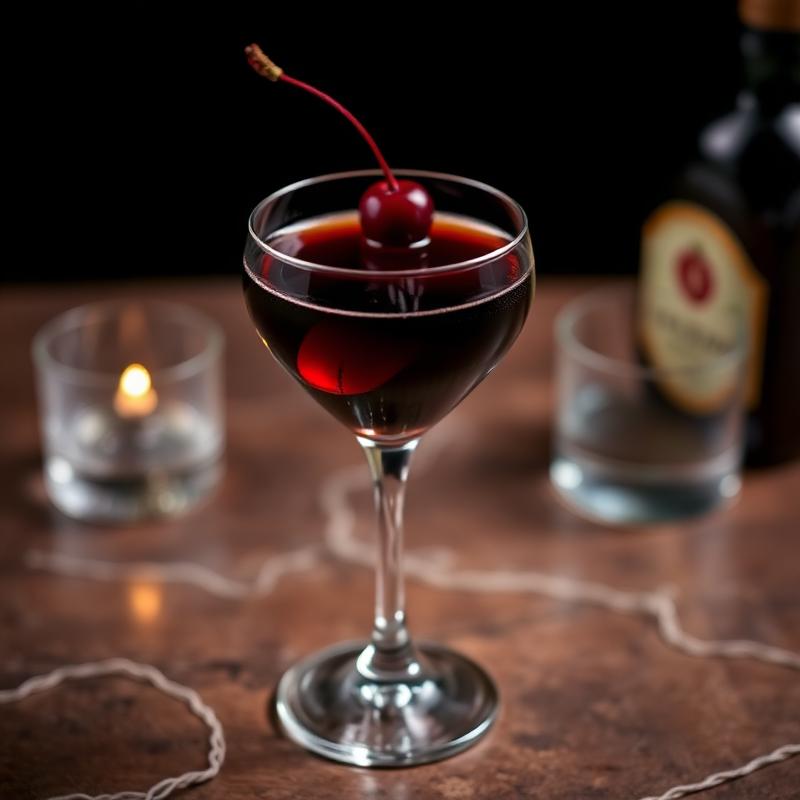
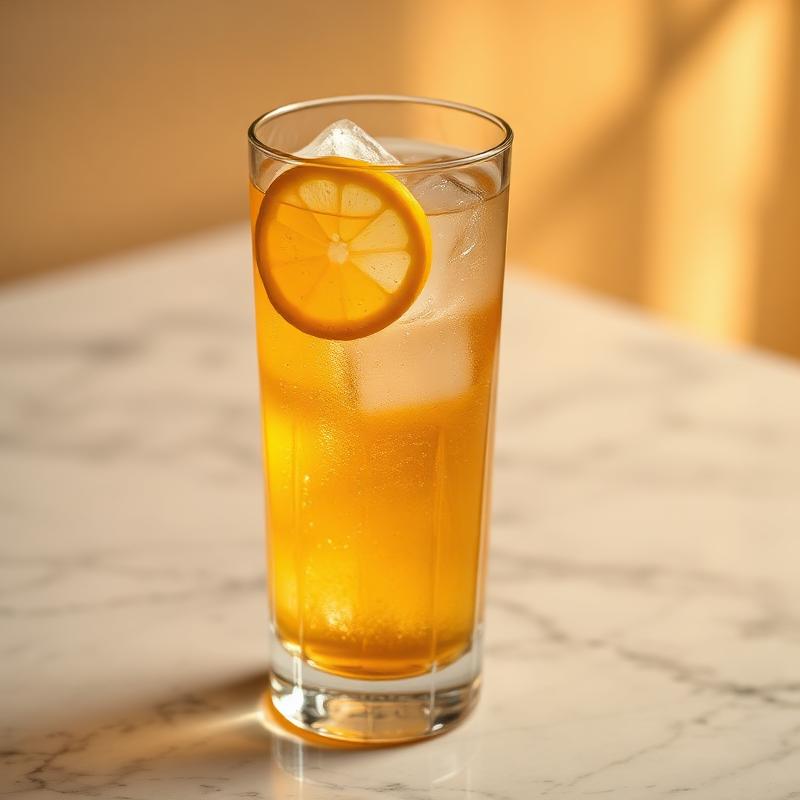
Put it in a highball with plenty of soda and a fat orange twist, or stir it into a Black Manhattan where rye and bitters do the heavy lifting. Amaro also belongs in the kitchen: a splash in a pan sauce, over vanilla gelato, or into a chocolate dessert.
The genuinely long-term fix is to buy smaller and drink more often. Half bottles of the specialist stuff, full bottles only of what you actually pour weekly.
No. Amaro has no true expiration date thanks to its alcohol and sugar content. An unopened bottle keeps indefinitely, and an opened one stays safe to drink for years — it simply loses aroma and complexity over time.
It tastes essentially unchanged for about six months, very good for a year, and still enjoyable for two to three years. Lower-proof bottles fade faster than high-proof ones like Fernet-Branca.
Only if it is under roughly 20% alcohol. Low-proof bitter aperitivi last noticeably longer chilled. Higher-proof amari are fine in a dark cupboard, though many people prefer fernet straight from the freezer.
Always upright. High-proof liquid resting against a cork degrades it and can taint the spirit. Unlike wine, spirits and liqueurs should never be laid down.
True spoilage is rare. Look for persistent cloudiness, new sediment, a musty or vinegary smell, or a failed cork. A bottle that merely smells sweet and flat has not gone bad — it has just faded, and it still works well in mixed drinks.
Yes. Most amari are high enough in alcohol that they will not freeze solid, and many bars keep fernet in the freezer for a thicker, colder pour. Very low-proof bottles can partially freeze, so keep those in the fridge instead.
Enjoyed this? Send it around.
Post to X