Five bottles, small pours, one glass that does the job, and enough food that nobody leaves bitter and hungry. The tasting we actually run — lineup, order, glassware, pairings and a card you can copy.
August 24, 2026 · 12 min read · Robert Parker Cross
Wine tastings have a script everyone already knows: light to heavy, white before red, spit if you must, talk about the finish. Amaro deserves the same treatment — and it is, if anything, a better party.
One bottle can taste like orange peel and vanilla. The next can taste like pine resin, smoked rhubarb, or a medicinal hug from a Milanese pharmacist in 1845. Put five of them in a line and you have a map of Italy that no slideshow can match.
This is the tasting we actually run: small pours, one glass that does the job, a lineup that teaches the category instead of flattening it, and enough food that nobody leaves bitter and hungry. If you want the deep brand notes afterward, start with our 23 types of Italian amaro and the glassware guide. What follows is the night itself.
Guests: four to eight. More than that and you are pouring, not tasting.
Bottles: five is the sweet spot. Four if people are new. Six only if you have a designated driver for the fernet.
Pour size: three-quarters to one ounce (20–30 ml) per amaro. You are tasting, not finishing the bottle. A 750 ml bottle comfortably serves eight people through a five-bottle flight with a little left for “wait, pour that one again.”
Time: ninety minutes. Forty-five for the flight, then an open pour with food. Order: lightest and sweetest first, most bitter and highest ABV last. Never open with Fernet-Branca. That is how you lose the room.
Have water on the table the entire time. Have a dump cup. Nobody has to finish every pour.
Never open with Fernet-Branca. That is how you lose the room.
Italy does not officially classify amaro. Drinkers do, because the bottles refuse to taste the same. Build the flight from flavor families, not from whatever is on sale at the corner store.
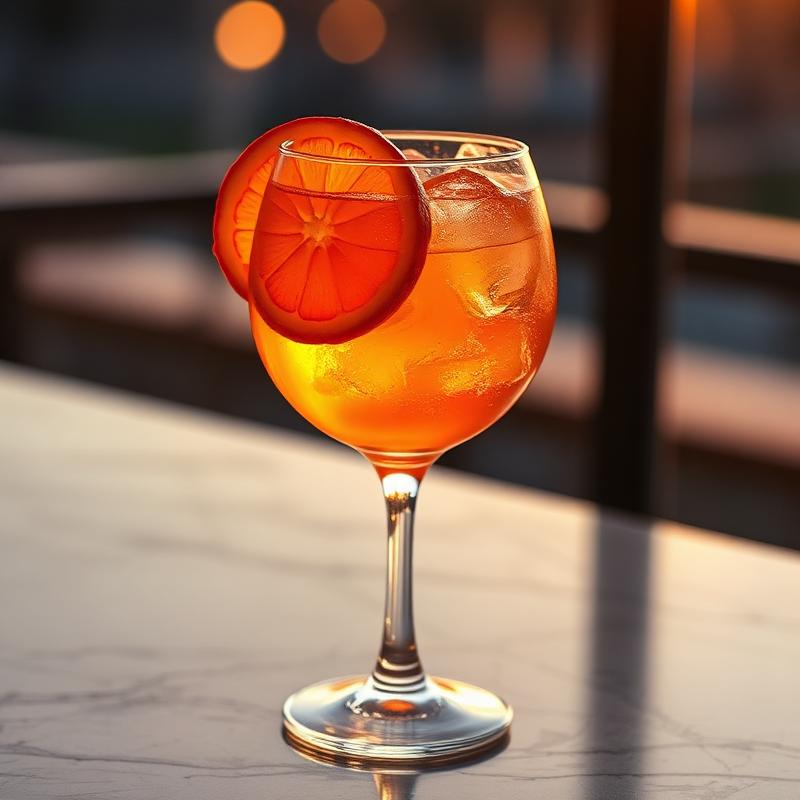
1. Southern and citrus / light classic. Pour first. Lower bitterness, orange and spice, the bottle that makes skeptics stay. Good bottles: Amaro Montenegro (Bologna — rose, vanilla, bitter orange, 23% ABV) or Amaro Meletti (Ascoli Piceno — saffron, anise, caramel). What you are teaching: amaro is not cough syrup. It can be floral and drinkable.
2. Bittersweet classic. The after-dinner bottle Italian families actually keep in the cupboard. Good bottles: Averna (Sicily — caramel, orange peel, Mediterranean herbs, 29%) or Ramazzotti (Milan — orange, anise, cardamom, 30%). Amaro Nonino Quintessentia if you want the grown-up version: grappa backbone, saffron, alpine herbs, 35%. What you are teaching: balance — sweetness and bitterness in the same sip, which is the whole point of the category.
3. Carciofo or rabarbaro. The savory turn, where the tasting stops feeling like dessert wine and starts feeling like a place. Cynar (Veneto — artichoke leaf, cola, bitter herbs, 16.5%) is vegetal, surprisingly gentle, the crowd-pleaser of this family. Cappelletti Sfumato Rabarbaro (Trentino — smoked Chinese rhubarb, tar, cocoa, 20%) is the bottle people talk about on the walk to the car; if anyone at the table likes mezcal or peated Scotch, pour it. What you are teaching: bitterness has textures.
4. Alpine. Mountain herbs, pine, gentian, a cooler kind of bitter. Braulio (Bormio, in the Valtellina — juniper, mint, earth, oak aging, 21%) or Amaro Pasubio if you can find it (blueberry, pine). Braulio Riserva if you want to show what extra years in wood do. What you are teaching: terroir, even in a liqueur. This one smells like a trail above the treeline.
5. Fernet and high-intensity. Last. Always last. Fernet-Branca (Milan — 27 botanicals, mint, saffron, myrrh, 39%) is the reference point, the bartender's handshake. If the table is game, a second fernet (Luxardo, Santa Maria al Monte) shows that fernet is a style, not a brand. What you are teaching: some amari are medicine first and pleasure second, and that is not a flaw. Serve this one colder than the others.
Budget for a five-bottle flight: roughly $150–$220 at retail, and you will have leftovers for the next month of after-dinner pours. That is cheaper than a comparable wine tasting, with bottles people actually remember.
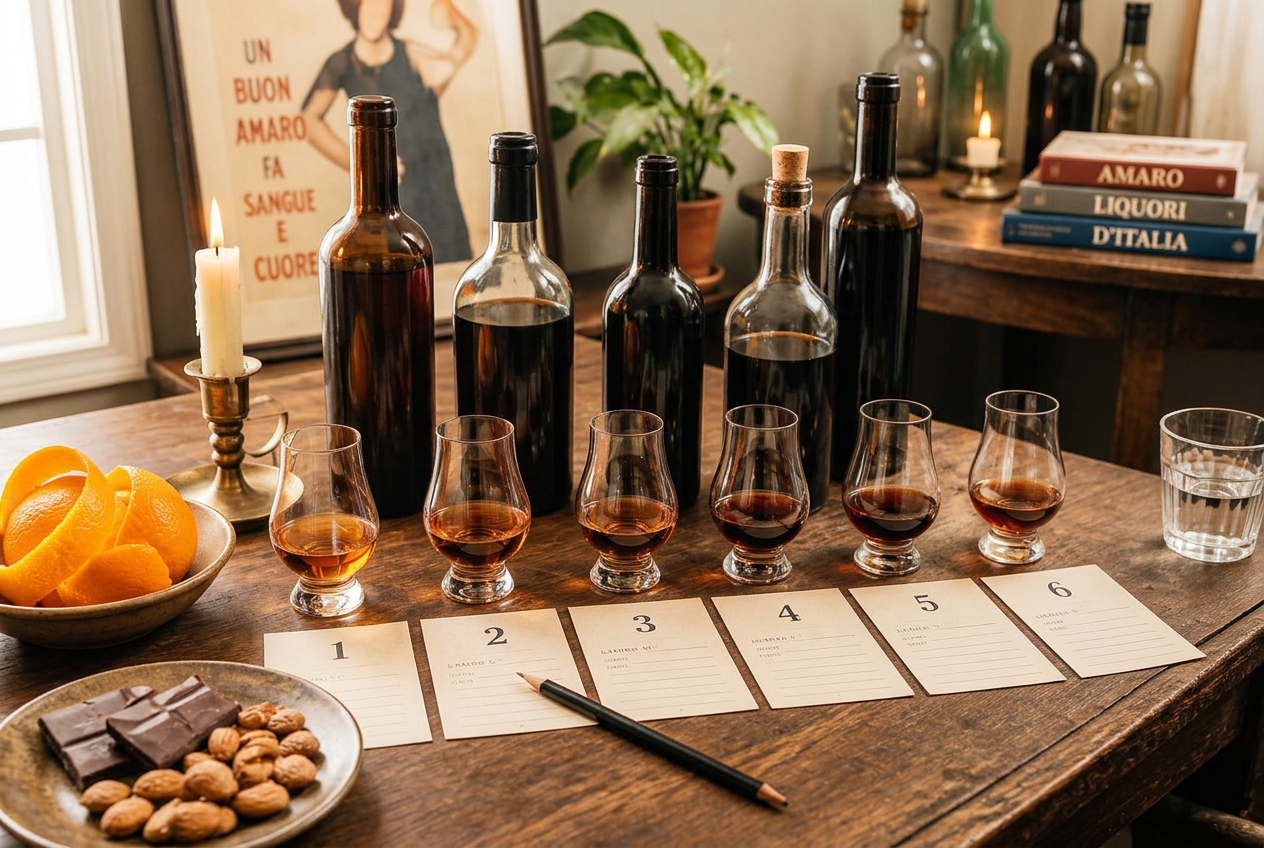
Do not use shot glasses. They exist to hide aroma and punish the throat. For a seated tasting, use one of these, in this order of preference.
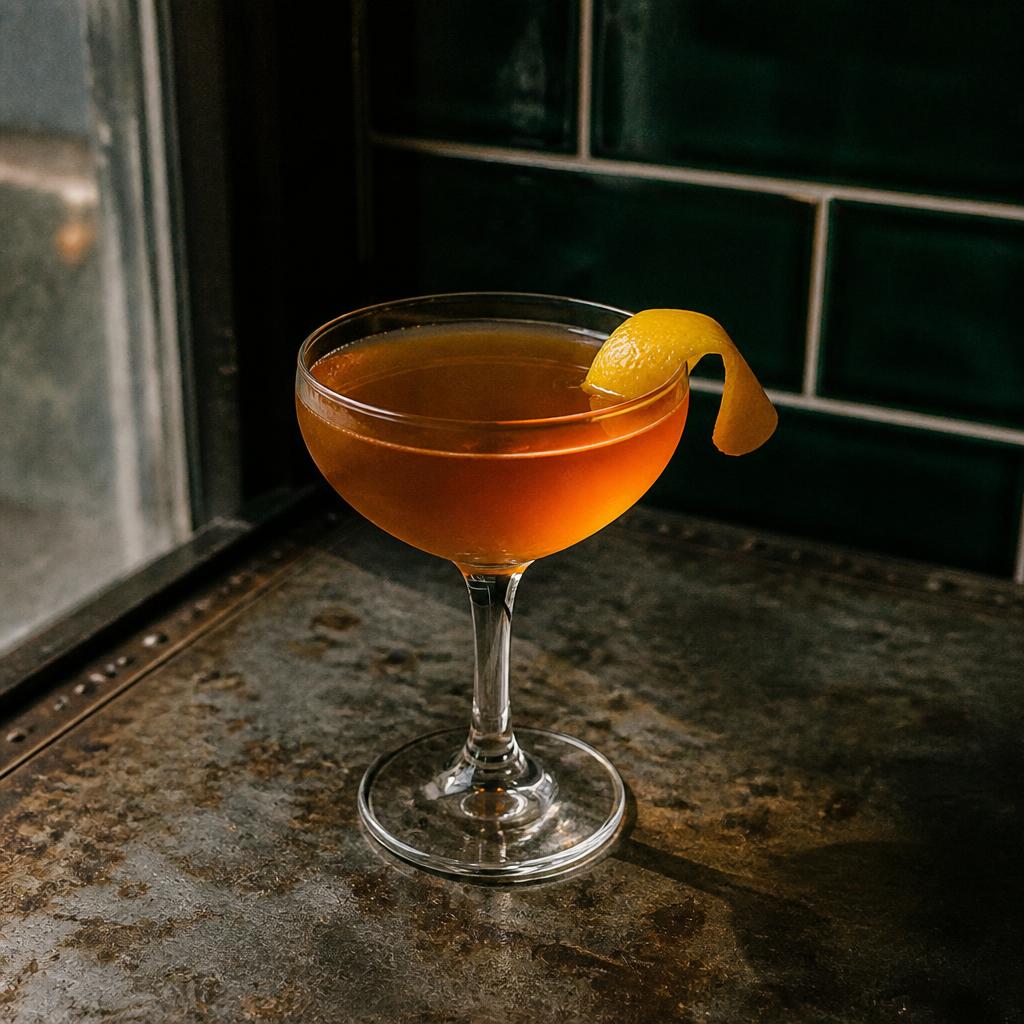
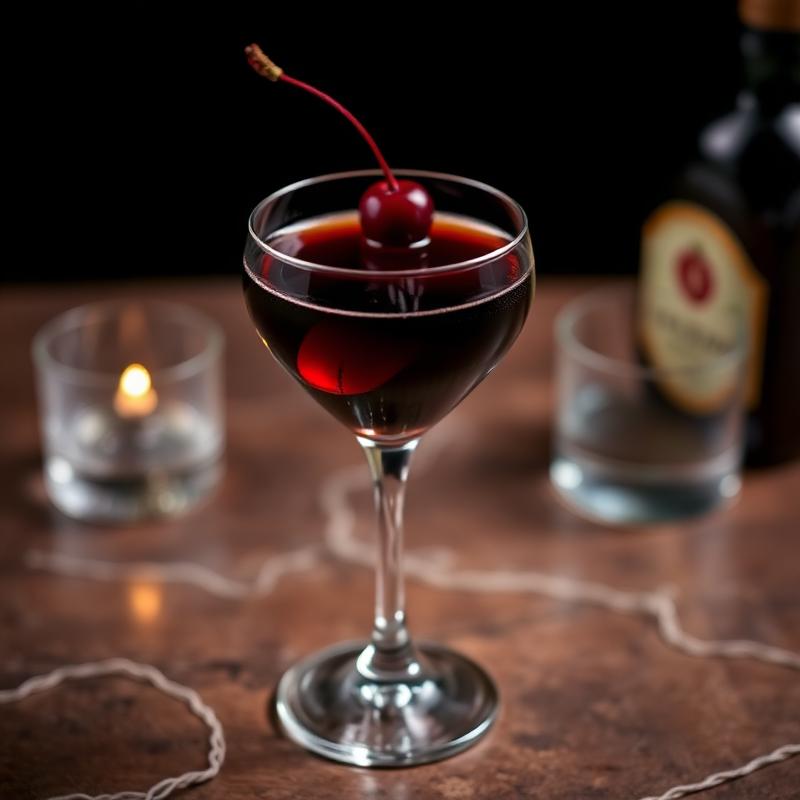
A small tulip, cordial or mini snifter, 2–4 oz. This is the correct tasting glass: the narrow rim collects orange oil, pine, smoke and mint so you can smell the bottle before you taste it. Stemmed is better so hands do not warm the pour. An ISO tasting glass or a small white-wine glass is perfectly fine if that is what you own. A Nick & Nora works — a little wide, still respectable.
Skip large red-wine bowls and heavy rocks glasses for the flight itself. A wide bowl dumps alcohol vapor into the nose and makes a 39% fernet taste like a dare. Save the rocks glass for after the tasting, when someone wants Averna over one large cube.
Pour to about one-third of the glass and swirl gently. Do not coat the sides like a Barolo; these are liqueurs. Temperature: cellar-cool to room temperature for the classics and alpine bottles, a light chill for Cynar and the lighter bottles, and fernet better cold — even from the fridge. Do not freeze the whole flight. Cold mutes herbs.
Our full breakdown of coupe, Nick & Nora, rocks and cordial glasses lives in the Amaro Glassware Guide.
Give everyone a simple sheet with five rows: Look / Nose / Palate / Finish / Food? That is enough.
Look. Color is information. Montenegro is amber-gold, Averna darker caramel, Sfumato almost cola, Fernet near-black. Hold the glass to a window or a lamp.
Nose, twice. First pass from a few inches above the rim — alcohol off-gasses first. Second pass closer, after a small swirl. Ask: orange or pine? Mint or smoke? Baking spice or medicine cabinet?
Taste in three places. Tip of the tongue: sugar and citrus. Mid-palate: herbs, cola, saffron, artichoke, wood. Back of the tongue and finish: the bitter that made the category. Does it clean up, or linger like pine tar? Add a drop of water to one pour if the alcohol is shouting — a few drops can open Montenegro and tame Fernet.
Reset between bottles: water, a plain cracker or unsalted bread, a pause. Do not chew mint gum. Do not serve coffee until the flight is over, unless the coffee is the pairing. And talk out loud — “this one is orange peel; that one is forest floor” is more useful than a score out of 100.
Comparison is the point. Say it out loud, even if what comes out is “this tastes like toothpaste.”
Amaro was built for the end of a meal. The food should be small, salty or bittersweet, and quiet enough that the bottles stay in charge.
On the table during the flight: plain water crackers or unsalted taralli, roasted almonds or hazelnuts, a small dish of olives, and orange or lemon peel to express over a glass if someone wants to test the citrus bottles.
After the flight, when you open the bottles for real pours: Montenegro, Meletti and the light classics with 70% dark chocolate, almond biscotti, or ricotta with honey — chocolate and orange oil lock together. Averna, Ramazzotti and Nonino with aged pecorino or Parmigiano, roasted nuts, a square of gianduja; salt and fat soften the bitter.
Cynar with grilled artichoke, olives, hard salami and an orange slice — lean into the vegetal side instead of fighting it. Sfumato or Zucca rabarbaro with dark chocolate, smoked almonds, blue cheese, even a sliver of speck, because smoke wants smoke and fat. Braulio and the alpine bottles with mountain cheese, rosemary focaccia, or after a mushroom dish.
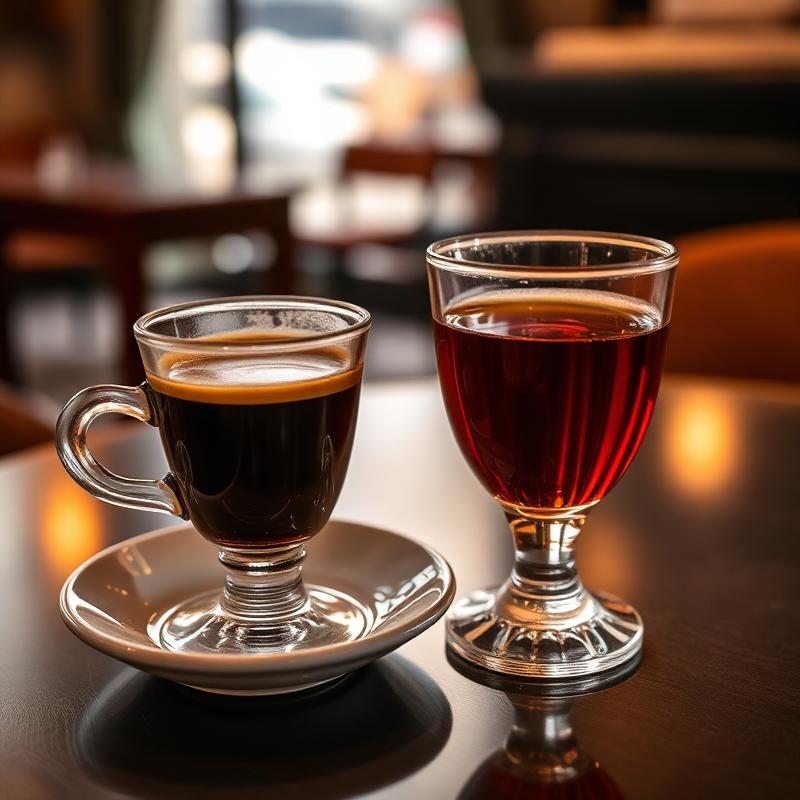
Fernet-Branca with espresso, 85% chocolate, or nothing but a glass of cold water. Fernet is the period at the end of the sentence; do not make it share the plate. If you do only one pairing all night, do dark chocolate with Averna or espresso with Fernet. Both are almost unfairly good — and keep portions tiny, because five amari plus a cheese board will sneak up on people.
You do not need one. The flight above is designed so a curious host can run it. But if you want a guide — a corporate night, a birthday, a group that will ask “what's gentian?” — look for a spirits educator, not only a wine sommelier. Amaro sits in the gap between wine service and bartending, and the useful person has handled Italian imports and can talk botanicals without turning the evening into a lecture.
Where to find them: independent wine and spirits shops with a real Italian shelf (ask who buys the amaro — importers behind serious Italian portfolios often send educators to stores for in-person classes). Cocktail bars with an actual amaro library, not three dusty bottles; the bartender who can pour you a Sfumato without checking the label is already your expert.
Also worth calling: Court of Master Sommeliers or WSET educators who teach the spirits unit, and local Italian restaurants that still roll a digestivo cart — the person who chose those bottles has opinions worth paying for. Public classes make a good dry run: watch who teaches amaro tastings in your city, then hire them privately.
What to brief them on: five bottles, ninety minutes, seated, food after the flight, no cocktail competition unless you want one. A good guide will adjust the lineup to what your shop can actually get this week. If you cannot find a specialist, run it yourself and print a one-page cheat sheet from the family notes above. Confidence plus cold water beats a nervous expert.
Five bottles, opened twenty minutes ahead so the first pour is not a fight with a sticky cap. One tasting glass per person, plus two extras. Water glasses, a dump vessel, pens and tasting sheets.
Crackers and a small savory plate. Chocolate and coffee for the last third of the night. A designated non-drinker, or a hard stop on pouring.
A ride-home plan: five tasting pours plus “just a little more Averna” is more alcohol than it looks.
Optional, and worth it: pour the flight blind, with numbered glasses and labels hidden, and reveal after notes are written. People argue less about brands and more about what they actually tasted.
Bottle 1 — Montenegro. Nose: orange blossom, vanilla, cola. Palate: soft bitter, rose, sweet citrus. Finish: short, friendly. Note: “I would drink this.”
Bottle 2 — Averna. Nose: caramel, orange oil, baking spice. Palate: richer, more bitter, Mediterranean herbs. Finish: longer, warmer. Note: “This is after dinner.”
Bottle 3 — Cynar or Sfumato. Nose: earth, smoke, cola. Palate: savory bitter, not dessert. Finish: dry, lingering. Note: “This is a place, not a flavor.”
Bottle 4 — Braulio. Nose: pine, mint, wood. Palate: alpine, cooler bitterness. Finish: forest. Note: “I can see the mountain.”
Bottle 5 — Fernet-Branca. Nose: mint, saffron, medicine. Palate: intense, bitter, then clean. Finish: long, menthol. Note: “Now I understand the handshake.”
That last line is the point of the night. Amaro is a family argument in a bottle. Host the argument well, and people will ask when you are pouring again.
Amaro is a family argument in a bottle. Host the argument well and people will ask when you are pouring again.
Five is the sweet spot for four to eight guests — four if the table is new to bitter, six only if someone else is driving. At three-quarters to one ounce per pour, a single 750 ml bottle carries eight people through the flight with a little left over.
Lightest and sweetest first, most bitter and highest ABV last: a light citrus classic like Montenegro, then a bittersweet like Averna, then a carciofo or rabarbaro like Cynar or Sfumato, then an alpine like Braulio, then Fernet-Branca. Opening with fernet flattens every glass that follows.
Three-quarters to one ounce (20–30 ml) per amaro, per person. Across a five-bottle flight that is roughly four ounces of liqueur over ninety minutes — enough to learn the category without anyone needing a nap.
A small tulip, cordial or mini snifter of 2–4 oz. The narrow rim collects orange oil, pine, smoke and mint so you can smell the bottle before you taste it. An ISO glass, a small white-wine glass or a Nick & Nora all work. Skip shot glasses and wide red-wine bowls.
Crackers, taralli, roasted almonds and olives during the flight; after it, 70 percent dark chocolate with the light classics, aged pecorino with Averna or Nonino, grilled artichoke and salami with Cynar, smoked almonds or blue cheese with rabarbaro, mountain cheese with Braulio, and espresso with Fernet-Branca.
No — a curious host with five bottles and a cheat sheet can run the night. If you want a guide, hire a spirits educator rather than a wine-only sommelier: a shop buyer with a real Italian shelf, a bartender from a bar with a deep amaro library, or a WSET spirits educator.
It is worth trying. Number the glasses, hide the labels, collect notes and reveal at the end. People argue less about brands and more about what they actually tasted — and someone's favorite bottle always finishes fifth.
Enjoyed this? Send it around.
Post to X