Walk into any decent cocktail bar in America and roughly the same six bitter bottles are within arm's reach of the well. Here is what they are, why they earned the spot, and what each one does that the others cannot.
October 4, 2026 · 9 min read · Robert Parker Cross
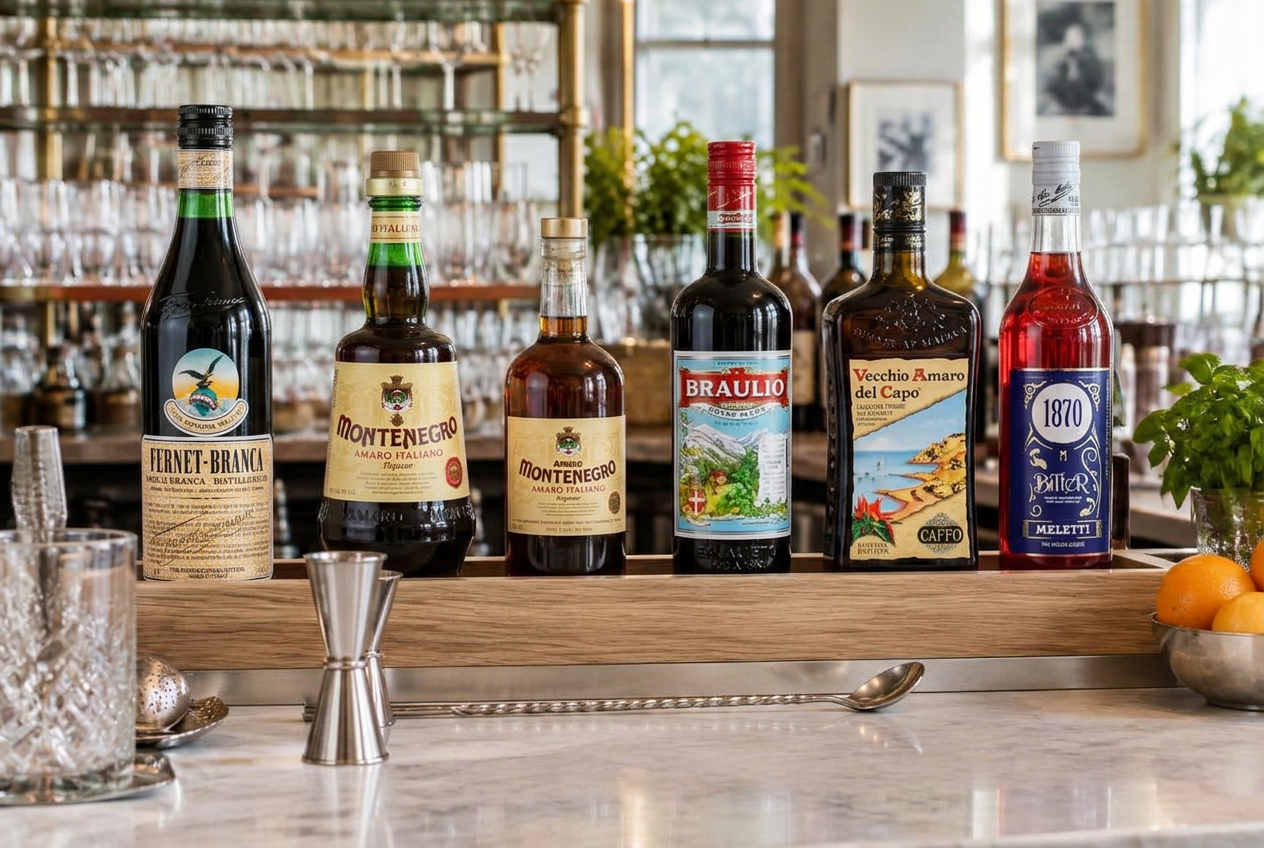
There is a difference between the bottles a bar collects and the bottles a bar uses. The back wall might hold forty amari, half of them dusty and imported by somebody's cousin. The working shelf — the one within reach of the ice well — is much shorter, and it is remarkably consistent from city to city.
That consistency is not laziness. Each of these bottles does a specific job that the others cannot do, and once you understand the jobs, you understand how bartenders think about bitterness in general: as a set of tools, not a set of trophies.
Stock these six and you can build most of the modern bitter canon at home. If you are starting from nothing, read what amaro is first, then come back.
Campari is not really an amaro in the digestivo sense; it is a bitter aperitivo, and it functions as architecture. It is loud enough to hold its own against gin, whiskey, mezcal and rum without disappearing into any of them.
That is why it anchors the Negroni, the Boulevardier, the Old Pal and the Jungle Bird. No other bottle on this list is so reliably load-bearing. When a recipe needs bitterness that will not be pushed around, it calls for Campari.
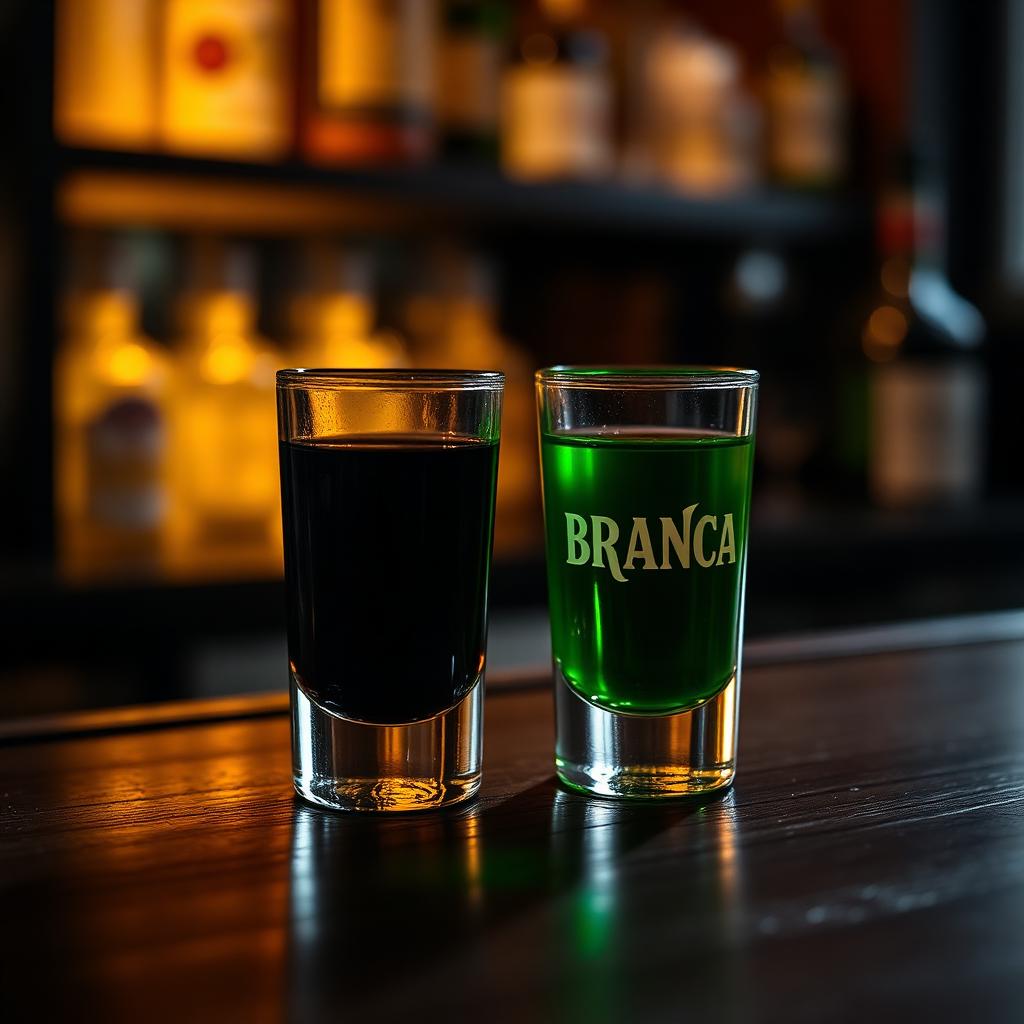
Fernet-Branca is on the rail for two reasons. One is that bar staff drink it — the shift-ender is a genuine industry ritual, and the Hard Start turned it into an actual cocktail.
The other is that a quarter ounce of fernet does something no dash of bitters can. It adds menthol, bracing dryness and a long cooling finish that resets the palate. Used as a modifier rather than a base — a rinse, a float, a small pour in a Fernet Sour — it is a precision tool.
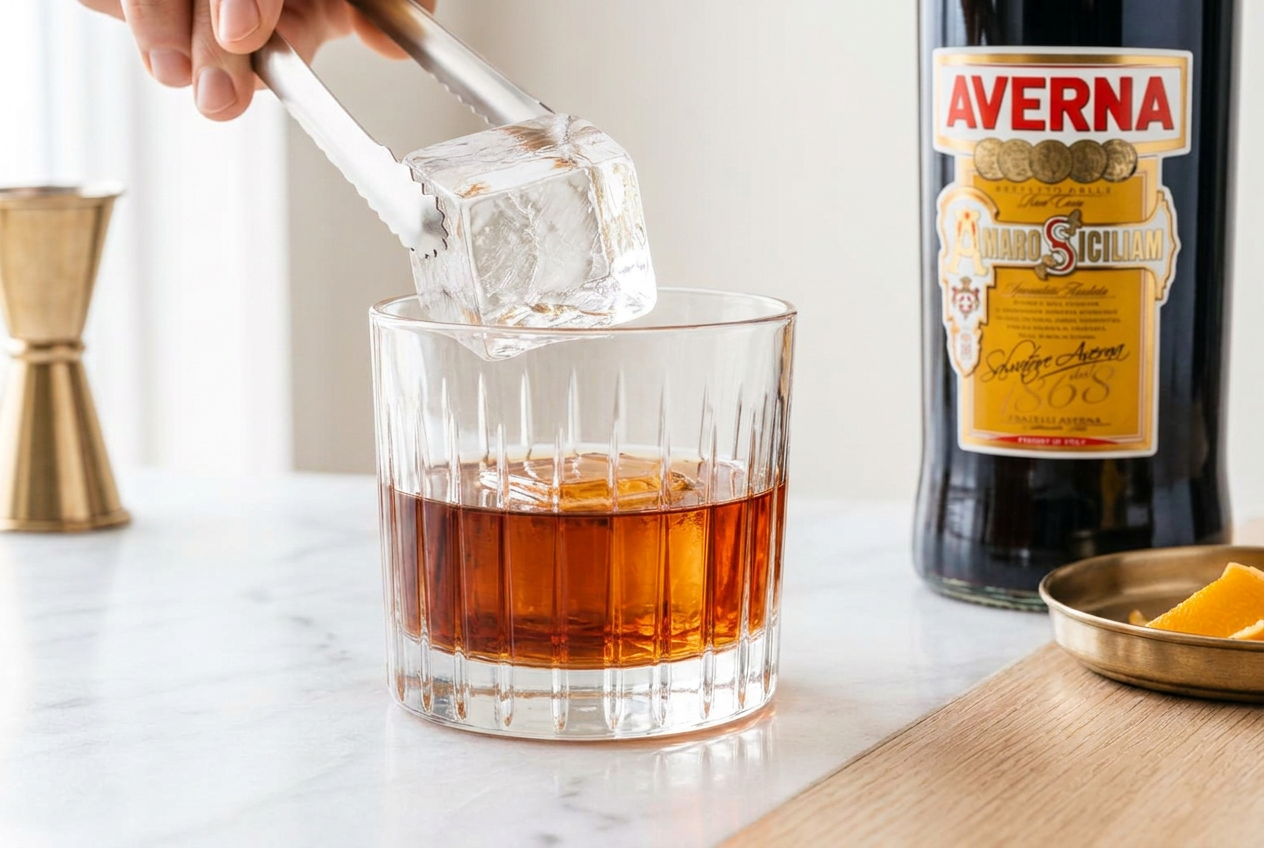
Every bar needs a bottle to hand somebody who says 'I want something after dinner but not challenging.' Averna is that bottle: cola, caramel, orange peel, licorice, a mild bitter finish, and almost universally liked.
It also mixes beautifully with brown spirits, which is why the Black Manhattan became a modern standard. If a bar keeps exactly one sweet Sicilian amaro, this is usually it.
Cynar is the bottle bartenders recommend to each other. It is inexpensive, low proof at 16.5%, vegetal in a way nothing else is, and shockingly versatile — the Cynar Negroni, the Bitter Giuseppe, the Cynar Spritz and the Art of Choke all lean on it.
Its real superpower is as a substitute. Cynar can stand in for a heavier amaro at half the sweetness and half the alcohol, which is exactly what you want when a drink is getting too rich. More of that logic in the amaro substitutes guide.
Amaro Nonino Quintessentia costs roughly double the rest of this shelf, and it is still on the rail in most serious bars for one reason: the Paper Plane.
The grappa base gives it a softness the Sicilian amari do not have — apricot, orange peel, caramel, nothing heavy. It plays with bourbon and citrus in a way that made it the gateway amaro for an entire generation of American drinkers.
The sixth slot is where bars differentiate. Usually it is something alpine or smoky: Braulio for pine, mint and cardamom, or Sfumato Rabarbaro for smoked rhubarb and campfire.
These are the bottles that make a menu feel like it belongs to somebody. A quarter ounce of Sfumato in a whiskey drink reads as intent. The Braulio Alpine Sour is the clearest way to see what the alpine style does.
Buy in this order: Campari, Averna, Cynar, then Nonino, then Fernet, then an alpine bottle. That sequence maximizes the number of drinks you can make per dollar spent, and it front-loads the two most flexible bottles in the category.
Do not buy six at once. Live with each bottle for a few weeks, neat and mixed, before adding the next. You will learn far more about bitterness from three bottles you know well than from eight you have tasted once.
Everything on this list has a full entry with tasting notes and history in the encyclopedia.
Campari, Fernet-Branca, Averna, Cynar and Amaro Nonino appear on the working shelf of most American cocktail bars, usually with one alpine or smoky bottle such as Braulio or Sfumato Rabarbaro alongside them.
Cynar. It is inexpensive, only 16.5% ABV, and works neat, on the rocks, in a spritz and as a substitute for heavier amari in stirred drinks without overwhelming them.
Partly ritual and partly palate. Fernet's menthol and dry bitterness cut through a long shift's worth of sugar, and the shot has become an industry handshake in cities like San Francisco and Chicago.
If you make Paper Planes, yes. Its grappa base gives a softer, more elegant profile than the Sicilian amari, and nothing substitutes for it perfectly — though Montenegro or Meletti get you close in a pinch.
Three covers almost everything: one red aperitivo, one sweet mid-proof amaro and one wildcard like Cynar. Add bottles four through six only once you know which style you reach for most.
Enjoyed this? Send it around.
Post to X