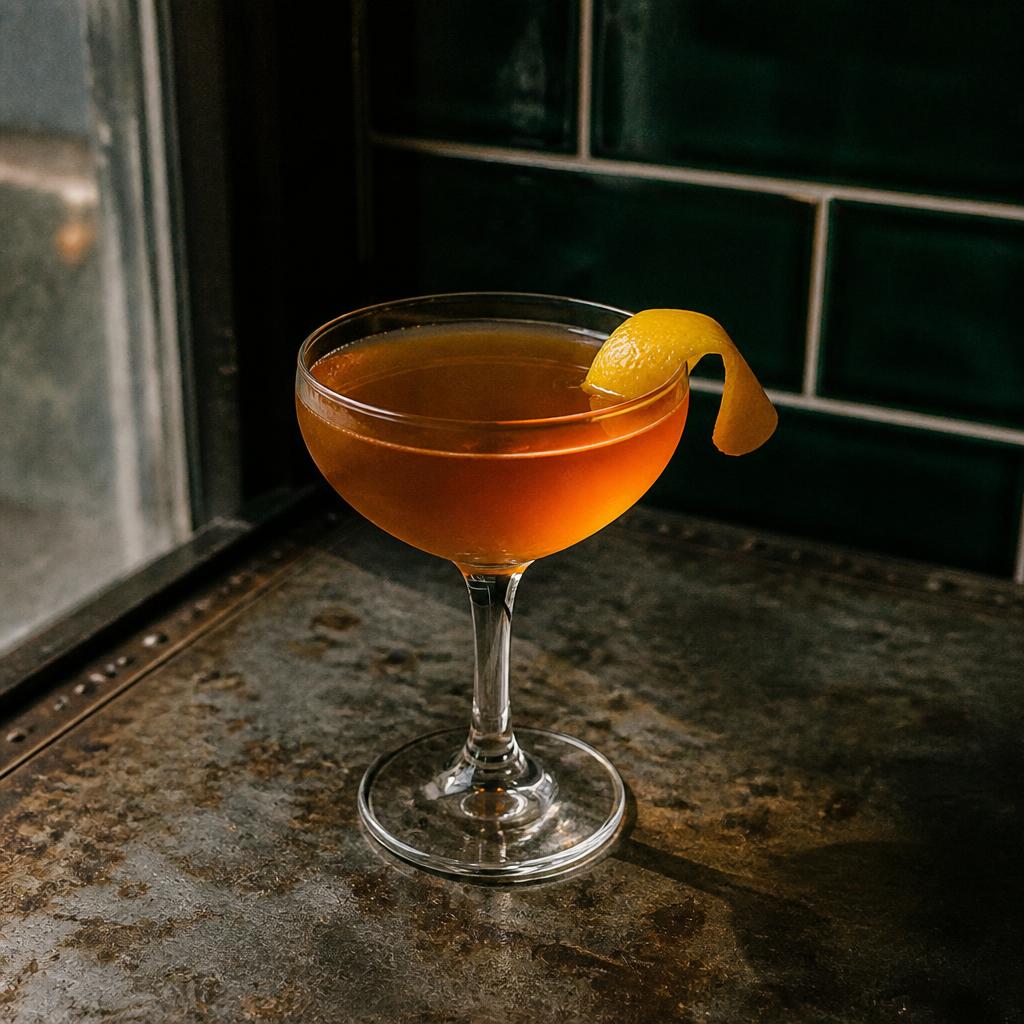
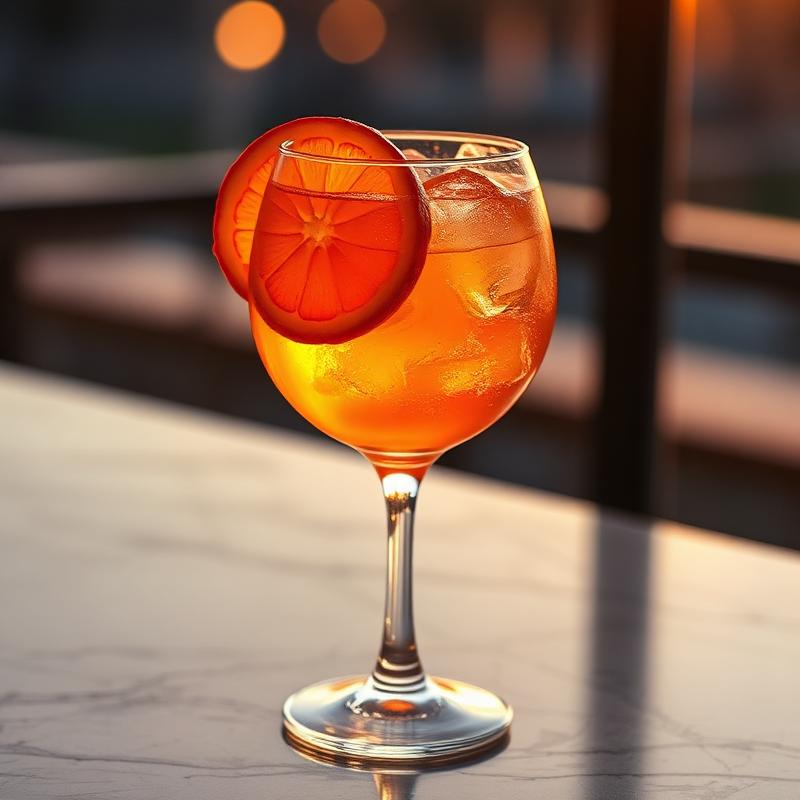
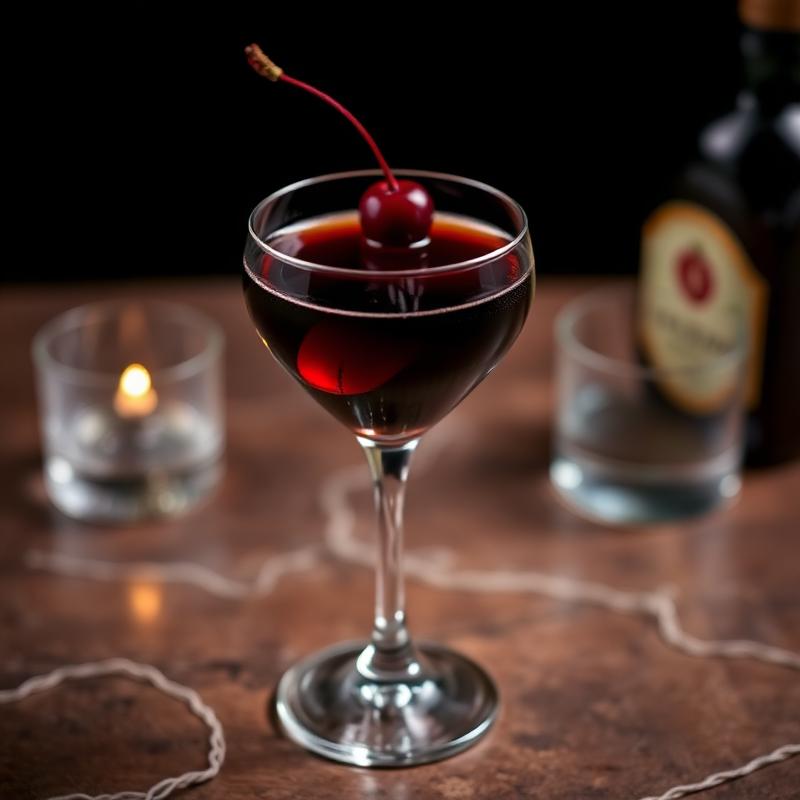
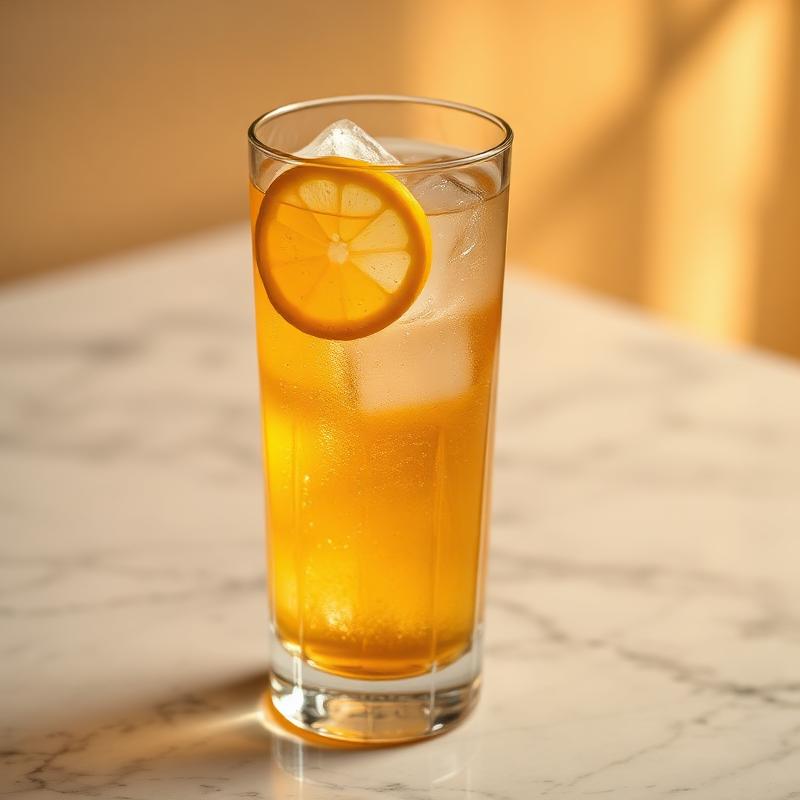
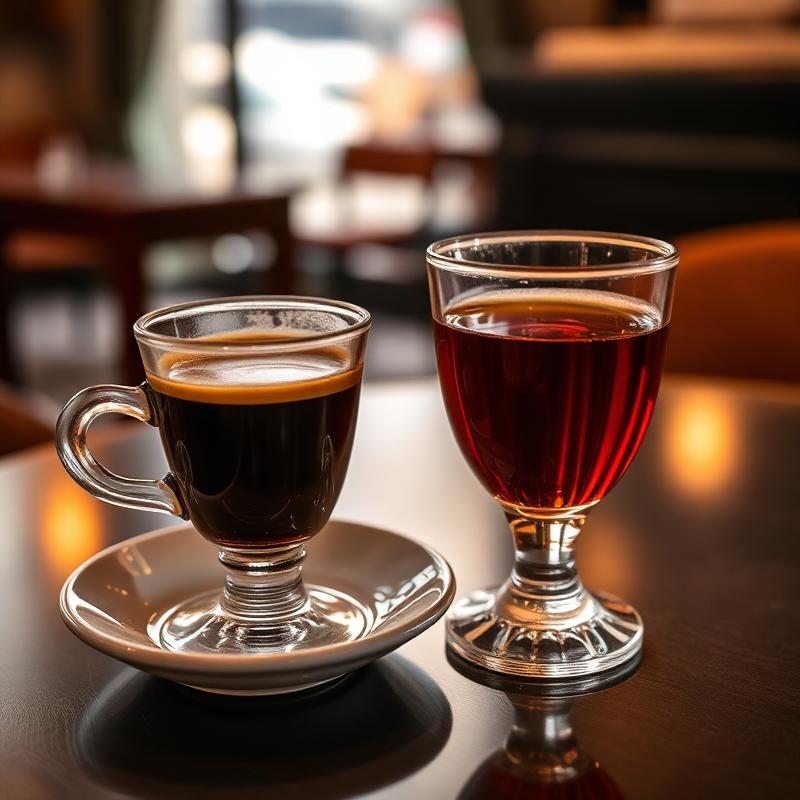
Temperature and dilution change a bitter liqueur more than most people realize. Here is when to pour it neat, when to give it a big cube, when to add soda — and which bottles belong in which glass.
September 13, 2026 · 8 min read · Robert Parker Cross
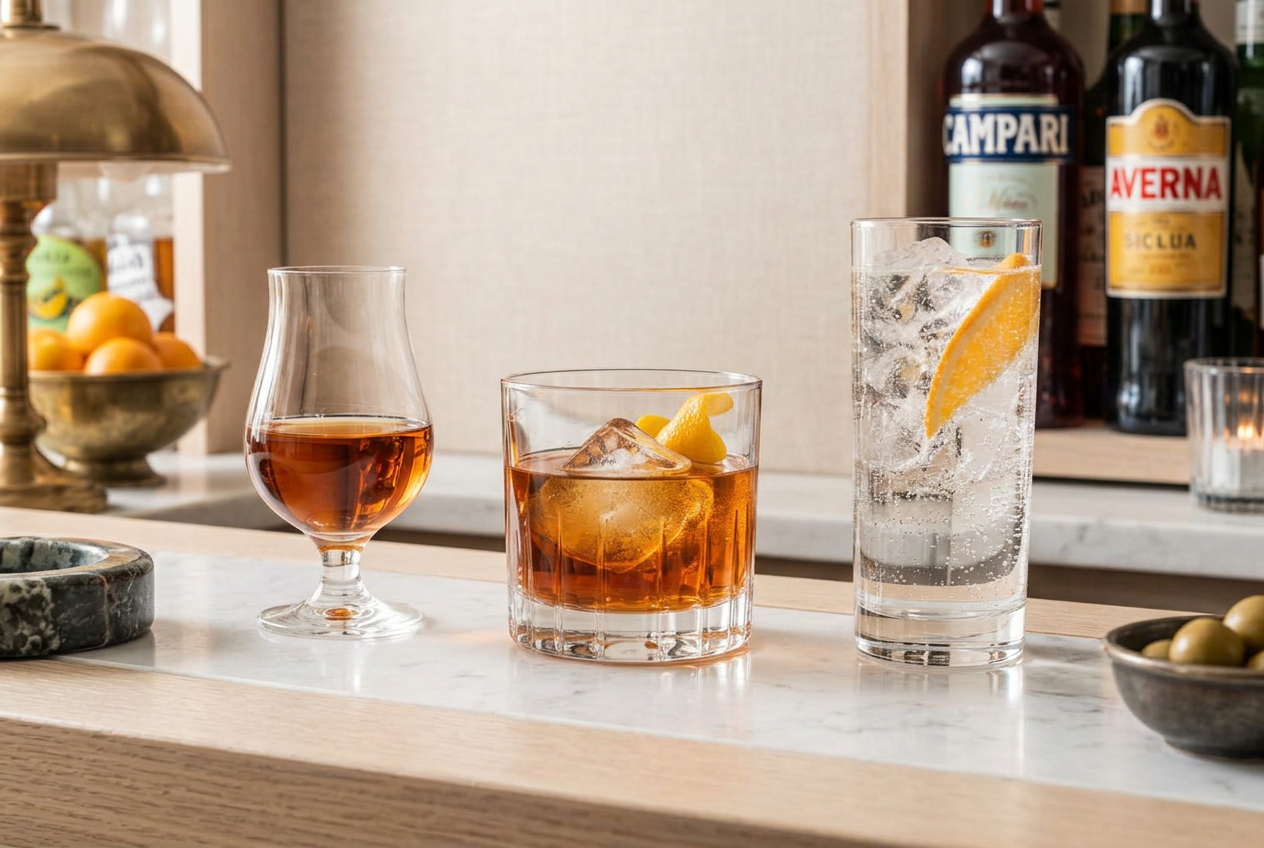
Nobody agrees on how to serve amaro, and everyone is weirdly confident about it. One friend keeps the Fernet in the freezer and drinks it in a shot glass. Another insists every amaro deserves a big cube and an orange twist. A bartender in Bologna will pour you a room-temperature thimble and look mildly offended if you ask for ice.
They are all right, because they are not talking about the same bottle. Amaro is not one drink. It runs from 11% ABV orange soda-adjacent aperitivi to 40% menthol-and-myrrh fernet, and the serve that flatters one will ruin the other.
Two variables do almost all the work: temperature and dilution. Cold mutes bitterness and sweetness and sharpens the aromatic top notes. Water opens up the herbs and softens the burn but also thins the texture. Once you can predict what those two levers do, you can figure out any bottle you pick up — including one you have never tasted. If you are still new to the category, start with what amaro is.
Chilling a liqueur suppresses your perception of both sweetness and bitterness, and it tightens the alcohol so it reads smoother. That is why a freezer-cold Fernet-Branca goes down like peppermint and a room-temperature one tastes like a pharmacy. The liquid did not change. Your tongue did.
Dilution does something different. A little water — from a melting cube, a splash, or a stir — lowers the alcohol concentration, which lets volatile aromatics escape the glass and reach your nose. Herbal amari in particular bloom this way: the gentian and wormwood that felt like one flat bitter wall separate into distinct notes.
Too much of either and you lose the bottle. Over-chill a delicate citrus amaro and it goes silent. Over-dilute a low-proof aperitivo and you are drinking cloudy water. The craft is in matching the serve to the bottle's proof and intensity.
Cold hides bitterness. Water reveals herbs. Every serving decision is some combination of the two.
Neat — at cool room temperature, in a small tulip or copita — is the tasting serve. Nothing is hidden and nothing is softened, which is exactly the point when the bottle is complex enough to reward attention.
This is the right call for the aromatic, mid-proof Italian classics: Amaro Montenegro with its rose and orange peel, Amaro Nonino with its grappa base and apricot warmth, Braulio with its pine and cardamom. Pour an ounce and a half after dinner and let it sit for two minutes before the first sip.
Portion matters more than people think. A digestivo is a two-ounce drink, not a four-ounce one. A generous pour of a 30% liqueur with sugar in it stops being pleasant about halfway down the glass.
The glass is worth getting right too — a tulip shape concentrates aromatics in a way a rocks glass cannot. We cover shapes and why they matter in the amaro glassware guide.
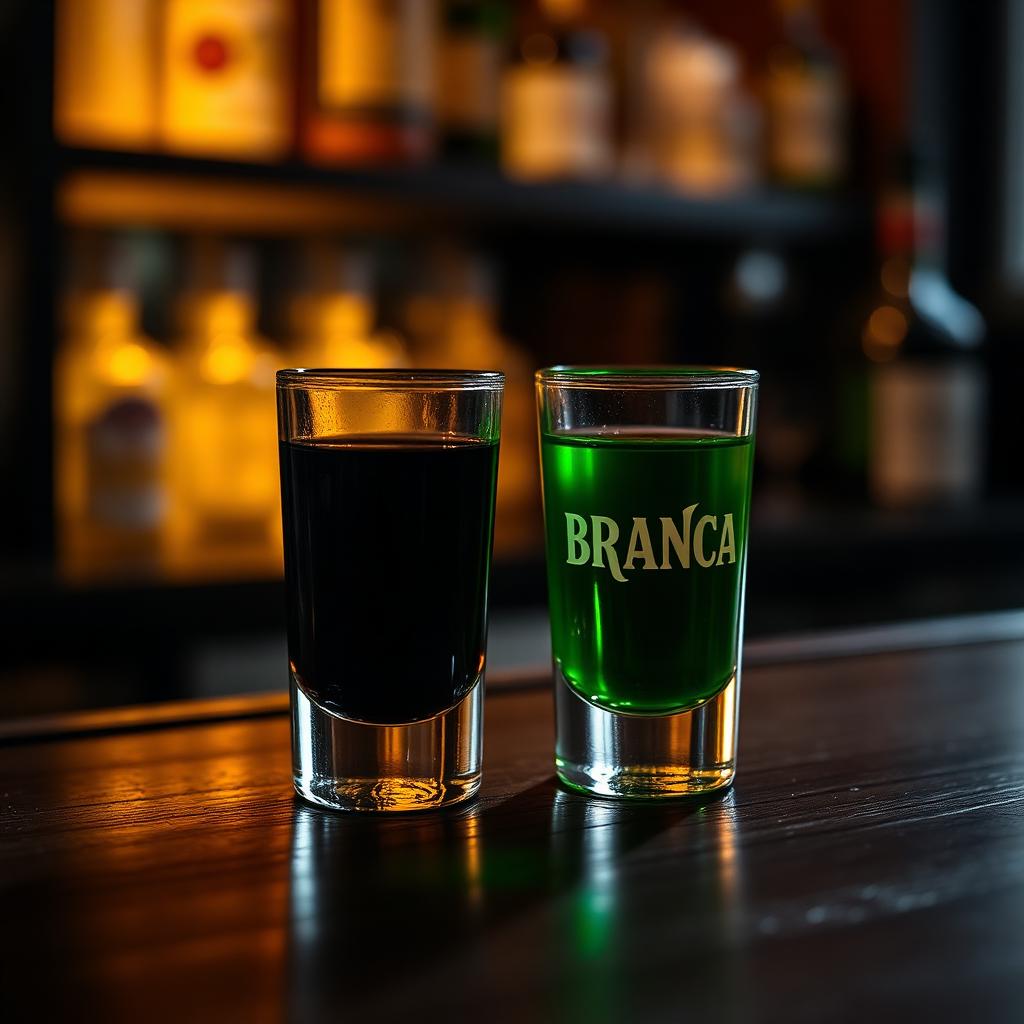
Some bottles are not asking to be contemplated. Fernet-Branca at 39% ABV, with saffron, myrrh and enough menthol to clear a room, is far friendlier straight out of the freezer. The cold flattens the aggressive edges and leaves the mint and the cooling finish, which is the good part.
Chilled-neat is also the industry serve. The Hard Start — Fernet and Branca Menta, both cold — exists because bar staff drink this way at the end of a shift. If you want it as a proper cocktail rather than a shift-ender, there is a Hard Start recipe on the site.
The trick with freezer service is that the bottle needs enough sugar and alcohol to avoid going syrupy and dumb. High-proof fernet and menthol styles: yes. Delicate low-proof citrus amari: no — they lose everything that made them interesting.
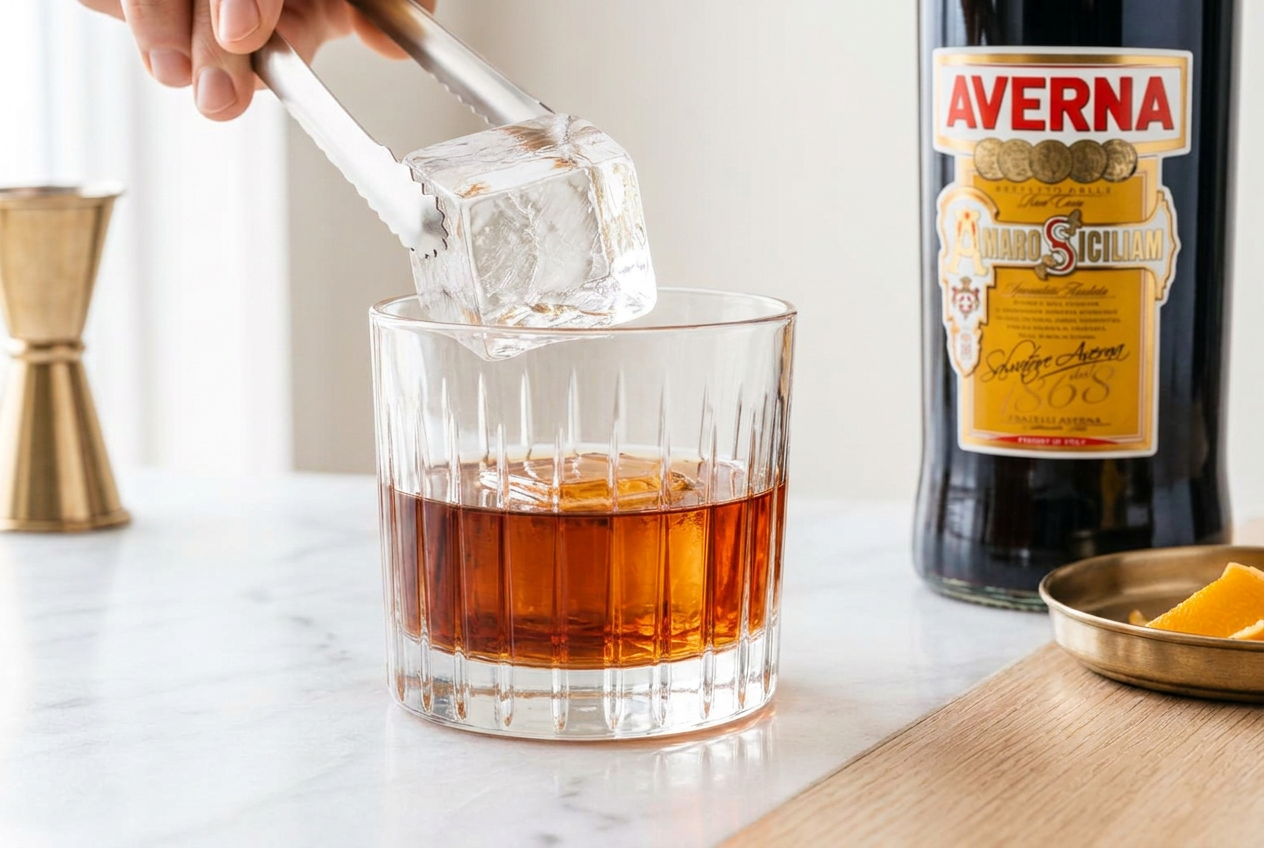
One large cube in a rocks glass is the most forgiving serve there is, and for a broad middle range of bottles it is the best one. The cube chills slowly and dilutes slowly, which means the drink evolves — tight and bitter at the start, rounder and more herbal ten minutes later.
Size is the whole game. A handful of small cubes melts fast and turns Averna into sweet brown water within five minutes. One big cube, or a sphere, gives you the cold without the flood.
Add an orange twist for the caramel-and-cola styles like Averna and Cynar, or a lemon twist for anything on the citrus or alpine side. Express the oils over the glass and drop it in; it costs five seconds and changes the first three sips.
One caution: never put a good ice-worthy amaro over cloudy freezer ice that has been sitting next to last month's salmon. Ice is porous and it carries odors. This is the least glamorous tip in the article and the one most likely to improve your next drink.
Adding a mixer is not a downgrade. In Italy the long, low-alcohol serve is the default for most of the afternoon, and the amaro highball — two ounces of amaro, soda to the top, big lemon twist — is the single most underrated drink on this entire site.
Soda water is the neutral choice: it stretches the bottle, lifts the aromatics with carbonation, and keeps the bitterness intact. Tonic adds its own quinine bitterness and a good deal of sugar, so it works best with citrus-forward and lighter amari rather than dark, sweet ones. Ginger beer suits the spiced, cola-adjacent bottles.
For aperitivi specifically — Campari, Aperol, Select — mixed is the point, not a compromise. Prosecco and soda give you the amaro spritz; that is the drink those bottles were built for.
And there is one more mixer people forget: espresso. A shot of coffee with a half ounce of amaro stirred in is the caffè corretto, and it is a completely different way to use a bottle you already own.
Light and citrusy (Nonino, Meletti, Lucano): neat at cool room temperature, or over one big cube with a lemon twist. Skip the freezer.
Medium and caramel-sweet (Averna, Ramazzotti, Montenegro): big cube and an orange twist, or a highball with soda if you want it long. These are the most flexible bottles you can own.
Alpine and herbal (Braulio, Sfumato, génépy styles): neat, slightly cool. A little cold suits them; a lot of dilution loses the pine and the smoke.
Fernet and menthol (Fernet-Branca, Branca Menta): straight from the freezer in a small glass, or stirred into a spirit-forward cocktail. Rarely good over ice, because the melt exposes the bitterness rather than softening it.
Red aperitivi (Campari, Aperol, Select, Cappelletti): long and mixed, with ice to the rim. Neat is possible but rarely pleasant.
Artichoke and vegetal (Cynar): surprisingly good in all three modes — try it on the rocks with an orange twist first, then as a spritz.
In Italy the room-temperature after-dinner pour still wins, and the idea of icing down a fine digestivo strikes some producers as vandalism. There is a real argument there: cold genuinely does hide detail, and a producer who spent a century balancing forty botanicals would rather you taste all of them.
But the American bar reinvented amaro as a mixing ingredient, and that is why the category is thriving outside Italy at all. Both traditions are correct. Taste the bottle neat once, so you know what it is, and then serve it however you actually enjoy drinking it.
If you want to try all three side by side with friends, we have a whole format for that in how to host an amaro tasting at home.
It depends on the bottle. High-proof, menthol-heavy styles like Fernet-Branca are much better cold or straight from the freezer because the cold mutes their aggressive edges. Aromatic mid-proof amari like Montenegro or Nonino are better at cool room temperature, where you can still taste the detail.
Often, yes — one large cube in a rocks glass is a great default for sweeter, mid-proof amari such as Averna, Ramazzotti and Cynar. Use a single big cube rather than several small ones so the drink chills without diluting into water within a few minutes.
Absolutely. Two ounces of amaro topped with soda over ice, with a lemon or orange twist, is the amaro highball — a long, low-alcohol serve that works with most bottles and is one of the best ways to drink amaro in warm weather.
It does not need to be. Amaro is shelf-stable thanks to its alcohol and sugar, and an opened bottle keeps well for a year or more in a cool, dark cupboard. Some people keep fernet in the freezer purely because they prefer to drink it ice cold.
A small tulip or copita for neat pours, because it concentrates the aromatics; a rocks glass for a single big cube; and a tall highball or a large stemmed goblet for spritzes and soda serves.
Enjoyed this? Send it around.
Post to X