Menthol, saffron, myrrh and a finish that clears your sinuses. A look inside the most polarizing bottle in the category — what is actually in it, why it tastes medicinal, and how to learn to like it.
September 20, 2026 · 8 min read · Robert Parker Cross
Nothing in the drinks world splits a room like fernet. People describe it as mouthwash, cough syrup, licorice toothpaste, or the best thing they have ever tasted, and they are all describing the same liquid.
The good news is that fernet is not random. Its flavor comes from a specific and fairly aggressive set of botanicals, and once you know what they are doing, the taste stops feeling like an assault and starts feeling like a structure.
This is about Fernet-Branca in particular, though most of it applies to the fernet style generally — a subcategory of amaro defined by being dry, high proof and unapologetically medicinal.
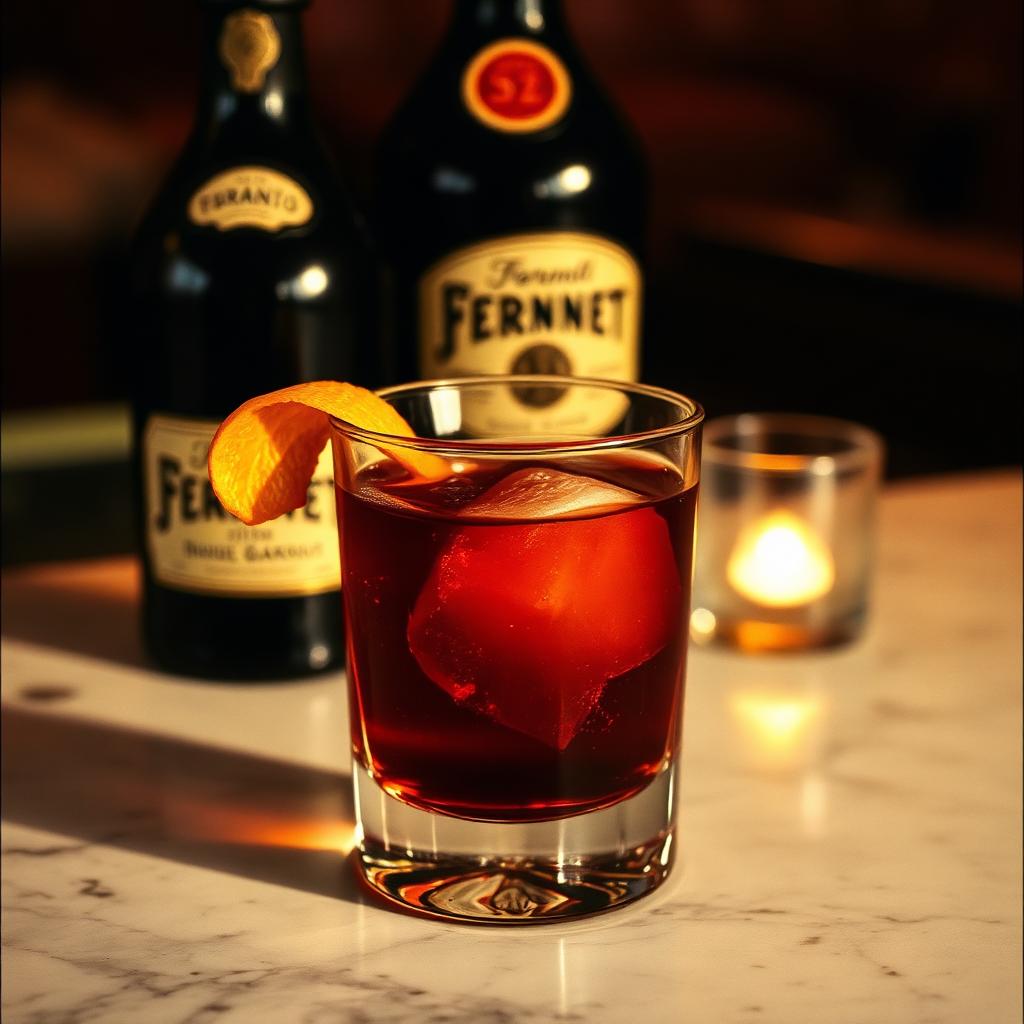
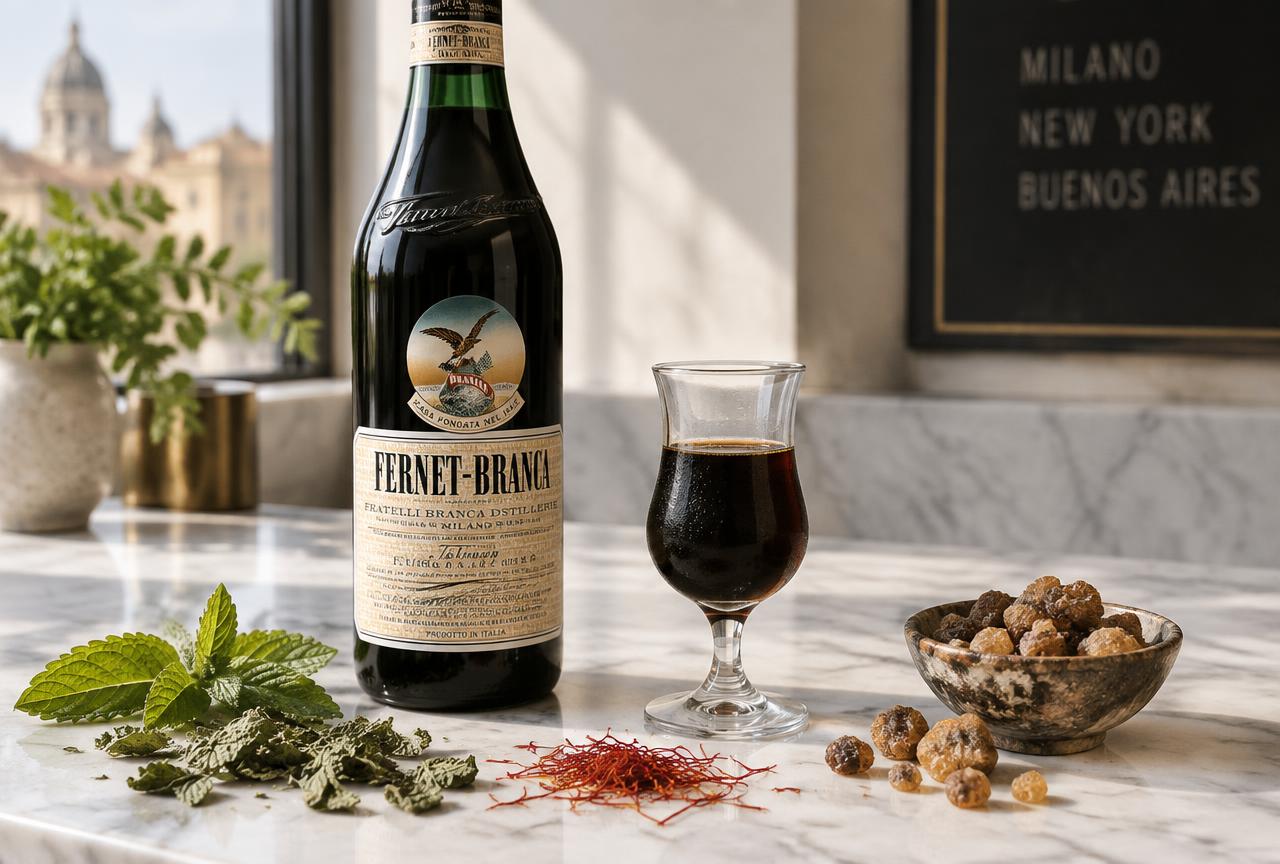
Fernet is a loosely defined category of amaro rather than a legal one — there is no production spec, and reference books are frank that the boundaries are fuzzy. By convention it means bitter, dry rather than syrupy, often 35 to 45% ABV (Branca is 39%, though Contratto sits near 30% and Letherbee at 35%), and built on markers like mint, myrrh, aloe, saffron, rhubarb and chamomile. Branca is the famous one, invented in Milan in 1845, but there are others — Contratto Fernet, Luxardo Fernet, Fernet Vittone, and a growing set of American versions like Letherbee Fernet.
The style was born as medicine, or at least was sold that way. Nineteenth-century advertising pitched fernet as a remedy for cholera, indigestion and menstrual cramps — claims Branca itself now jokes about — and that pharmaceutical inheritance is why the flavor reads as apothecary work: botanicals infused and decocted, blended and rested in oak, rather than a delicate distillate.
Menthol and peppermint give the cooling blast and the toothpaste association. This is the note most people react to first, and it is physiological as much as gustatory — menthol triggers cold receptors on your tongue, so the drink literally feels cold.
Myrrh — tree resin, the same one from the nativity story — is the incense-like, slightly dusty bitterness underneath. It is rare in food and almost unmistakable once you learn to spot it.
Saffron — Branca is one of the world's larger buyers of it — reads to us as an odd hay-and-honey savoriness with a faintly iodine edge; that last part is a tasting impression, not a documented property of the dose in the bottle. Rhubarb root and other bitter roots supply the hard backbone, with chamomile and aloe filling in around the edges.
There is little sugar to hide behind. It is still a sweetened, caramel-colored liqueur, but Averna and Montenegro carry enough sweetness to round their bitterness off and fernet does not — and that relative dryness is what makes it feel like medicine rather than dessert.
Menthol is why it feels cold. Myrrh is why it smells like a church. Saffron is why you cannot place it.
Bitterness sensitivity is partly genetic, and the same compounds that read as punishing to one drinker read as refreshing to another. If you already like black coffee, grapefruit pith, radicchio or Islay scotch, fernet is likely to land well.
It also does something useful after a heavy meal. The bitter compounds stimulate saliva and digestive secretion, which is the entire historical argument for the digestivo — and the reason bartenders reach for it at the end of a shift full of sugar.
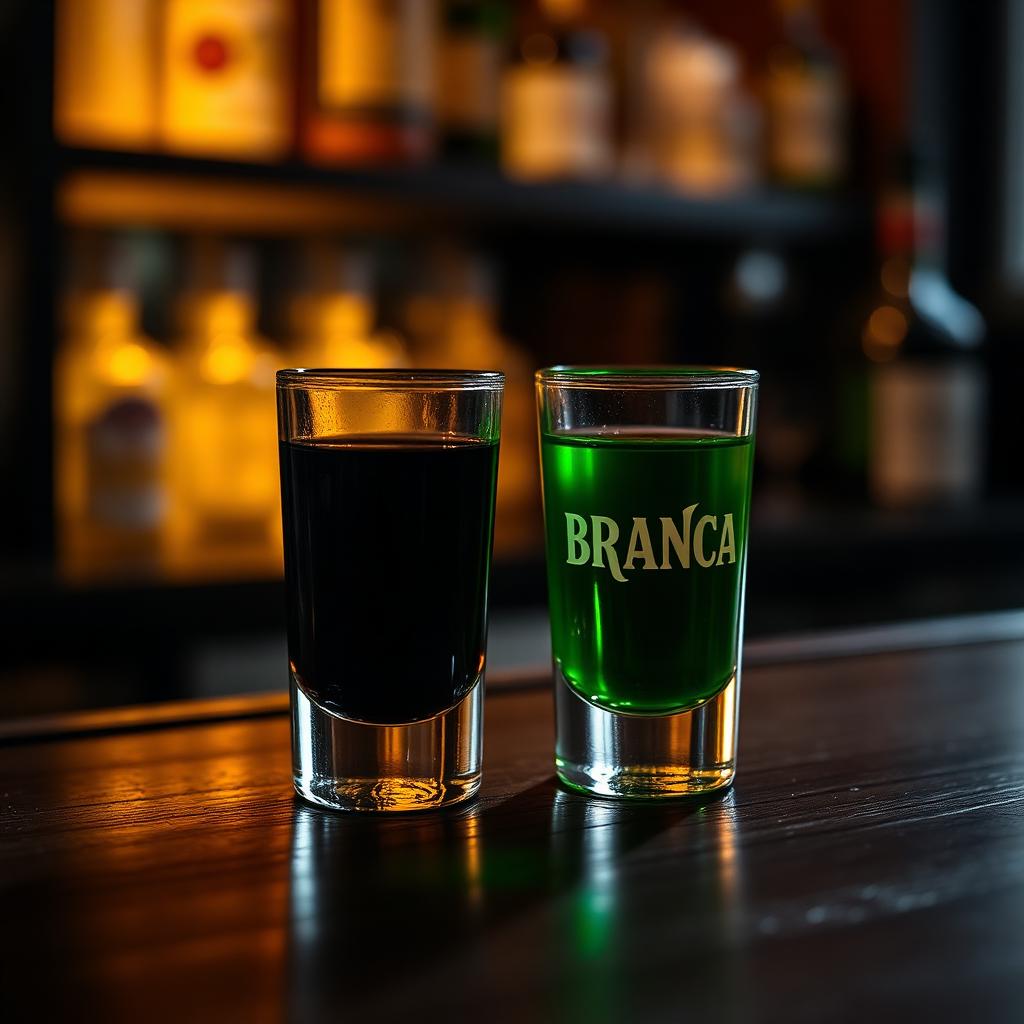
Start cold. Freezer-cold fernet in a small glass is dramatically friendlier than a room-temperature pour, because cold suppresses bitterness and leaves the mint. More on that in amaro on ice, neat, or mixed.
Start small. A half ounce is a taste; two ounces is a commitment you did not intend to make.
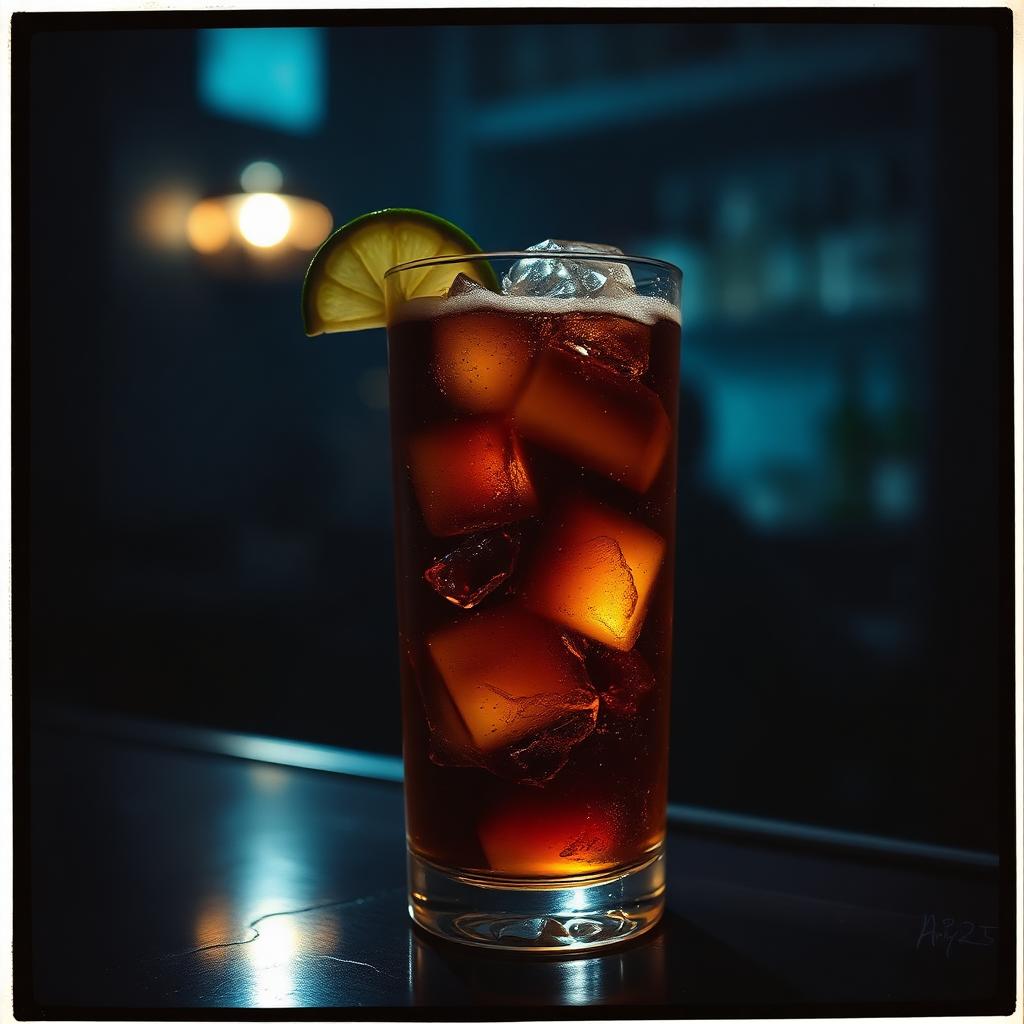
Start mixed. Fernet and cola is Argentina's national mixed drink and an icon of Córdoba for good reason — the cola's sweetness and carbonation frame the menthol perfectly. A Fernet Sour with lemon and egg white does the same job with more elegance, and the Hanky Panky uses only a dash or quarter ounce of it to lift a gin martini.
Or skip Branca and start with Branca Menta or a softer American fernet, then work back to the original once your palate has adjusted.
Disliking fernet does not mean you dislike amaro. The category runs from light aperitivi — Aperol sits at 11% ABV — all the way to this, and there is an enormous, friendly middle: Averna, Amaro Montenegro, Amaro Nonino, Ramazzotti.
Keep a bottle anyway. A quarter ounce of fernet in a whiskey drink is one of the best modifiers in bartending, even if you never sip it neat. The 23 types of amaro guide will point you at the family that suits you instead.
Peppermint and menthol dominate its aroma, and menthol activates the same cold receptors that mint toothpaste and mouthwash do. With little sugar to soften it, the association is almost automatic on a first sip.
Fernet-Branca is made from twenty-seven botanicals, but the full list has never been published. Peppermint, myrrh and saffron are among the few the company names publicly; the botanicals are infused in spirit, blended and rested in oak.
Yes. Fernet is a loosely defined style within the amaro family — there is no legal spec — but by convention it is dry rather than sweet, relatively high in alcohol (often 35 to 45%, with Branca at 39%) and heavy on mint, myrrh and bitter roots.
Cold and in small pours. Straight from the freezer in a small glass, mixed with cola over ice, or a quarter ounce used as a modifier in a whiskey cocktail.
It was sold as a digestive remedy for most of its history, and bitter compounds do stimulate saliva and digestive secretions. Treat it as a pleasant tradition rather than medicine.
Enjoyed this? Send it around.
Post to X